As an optometrist in Fayetteville with over two decades of experience, I’ve had the privilege of helping hundreds of children from Cumberland County and the surrounding Fort Liberty area see clearly without daytime glasses or contacts. My specialty, and my passion, is orthokeratology, or Ortho-K. It’s a technology that has been life-changing for so many of my young patients. Yet, the most common question I hear from parents is not about how it works, but a more fundamental one: “Is it safe?”
It’s a question I welcome. As a parent myself, I understand that your child’s health is your absolute top priority. When it comes to their eyes, you want to be certain that any treatment is not just effective, but also exceptionally safe. The idea of a lens worn overnight can sound intimidating. You might wonder about the risk of infection or other complications. Let me put your mind at ease. The truth is, Ortho-K has a remarkable safety track record spanning more than two decades, and when prescribed and managed by an experienced practitioner, it is one of the safest and most effective methods available for myopia control.
In This Article
- The Ortho-K Safety Record: What 20+ Years of Data Tells Us
- Complication Rates: Ortho-K vs. Other Vision Corrections
- The Role of Proper Hygiene and Professional Care
- Modern Advancements in Ortho-K Safety
- What Parents in Fayetteville and Cumberland County Should Know
- sleepSEE® Myopia Control: Your Investment in Your Child's Future Vision
- Frequently Asked Questions (FAQs)
The Ortho-K Safety Record: What 20+ Years of Data Tells Us
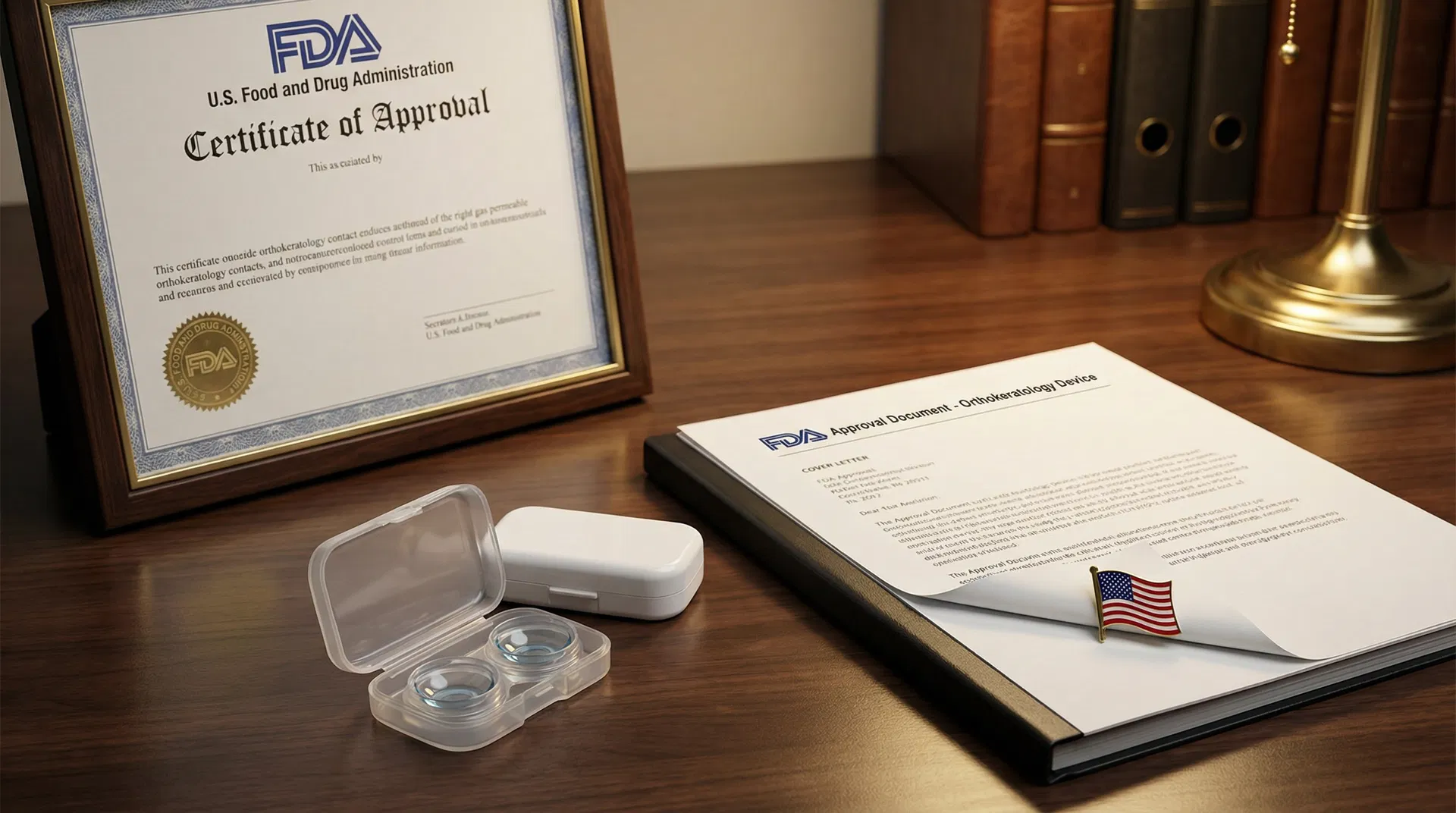
Ortho-K is not a new fad. The principles have been around for decades, but the modern era of overnight Ortho-K began with FDA approval for all ages in 2002. This approval wasn’t just a starting point; it was the beginning of a long and continuous process of safety monitoring and technological improvement. The FDA mandated post-market surveillance studies to track the performance and safety of these lenses in the real world, creating a vast and ever-growing body of data.
What does that data show? It shows that Ortho-K is a safe and reliable procedure. The key to this safety lies in a combination of advanced lens technology, rigorous practitioner training, and—most importantly—patient and parent commitment to proper hygiene. Early concerns in the first few years after approval were largely traced back to poor compliance and hygiene practices. This led to a massive educational push from eye care professionals, and the results speak for themselves. The rate of complications has dropped dramatically as awareness and best practices have become standard procedure.
Complication Rates: Ortho-K vs. Other Vision Corrections
To truly understand the safety profile of Ortho-K, it’s helpful to compare it to other common forms of vision correction. No method is entirely without risk, but the numbers might surprise you. The most significant potential risk with any contact lens, including Ortho-K, is microbial keratitis (MK), an infection of the cornea. While serious, it is also very rare, especially when proper hygiene is followed.
Let’s look at the data. Studies have consistently shown that the rate of MK in overnight Ortho-K wearers is comparable to that of other overnight soft contact lens wearers. It’s a risk we take seriously, but one that is managed effectively with proper care.
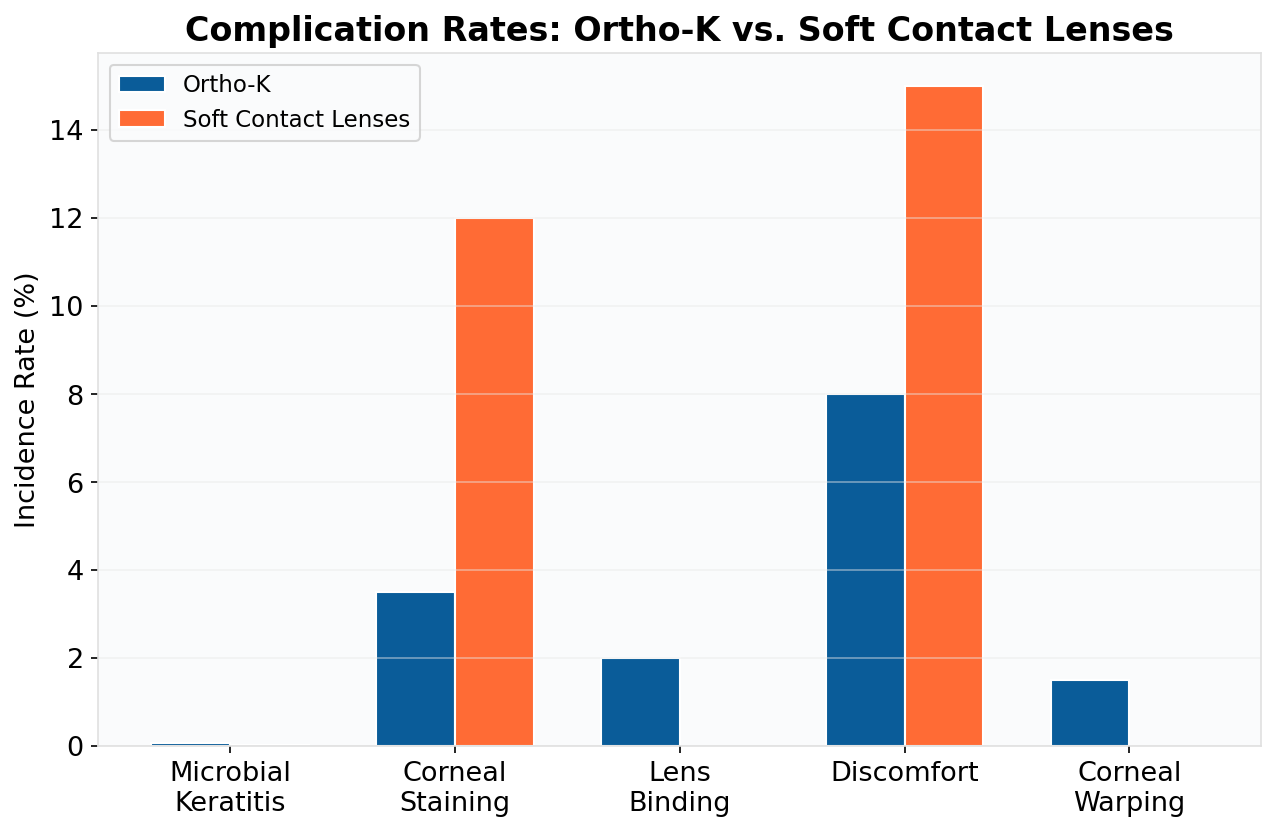
Chart showing the low incidence of microbial keratitis in Ortho-K, which is comparable to other overnight contact lens modalities.
Here is a more detailed comparison of the estimated annual incidence of microbial keratitis per 10,000 wearers across different vision correction options:
| Vision Correction Method | Estimated Annual MK Cases (per 10,000 wearers) | Notes |
|---|---|---|
| Overnight Ortho-K | ~13.9 | Primarily associated with hygiene compliance. |
| Daily Wear Soft Lenses | ~4 | Lower risk due to no overnight wear. |
| Overnight Soft Lenses | ~20 | Highest risk among contact lens types. |
| Rigid Gas Permeable (RGP) Lenses | ~1.2 | Lower risk due to material properties. |
| LASIK Surgery | ~5-10 (in first year) | Risk is concentrated post-operatively. |
As you can see, the risk associated with Ortho-K is well within the range of other common contact lens options and is significantly influenced by user behavior.
The Role of Proper Hygiene and Professional Care
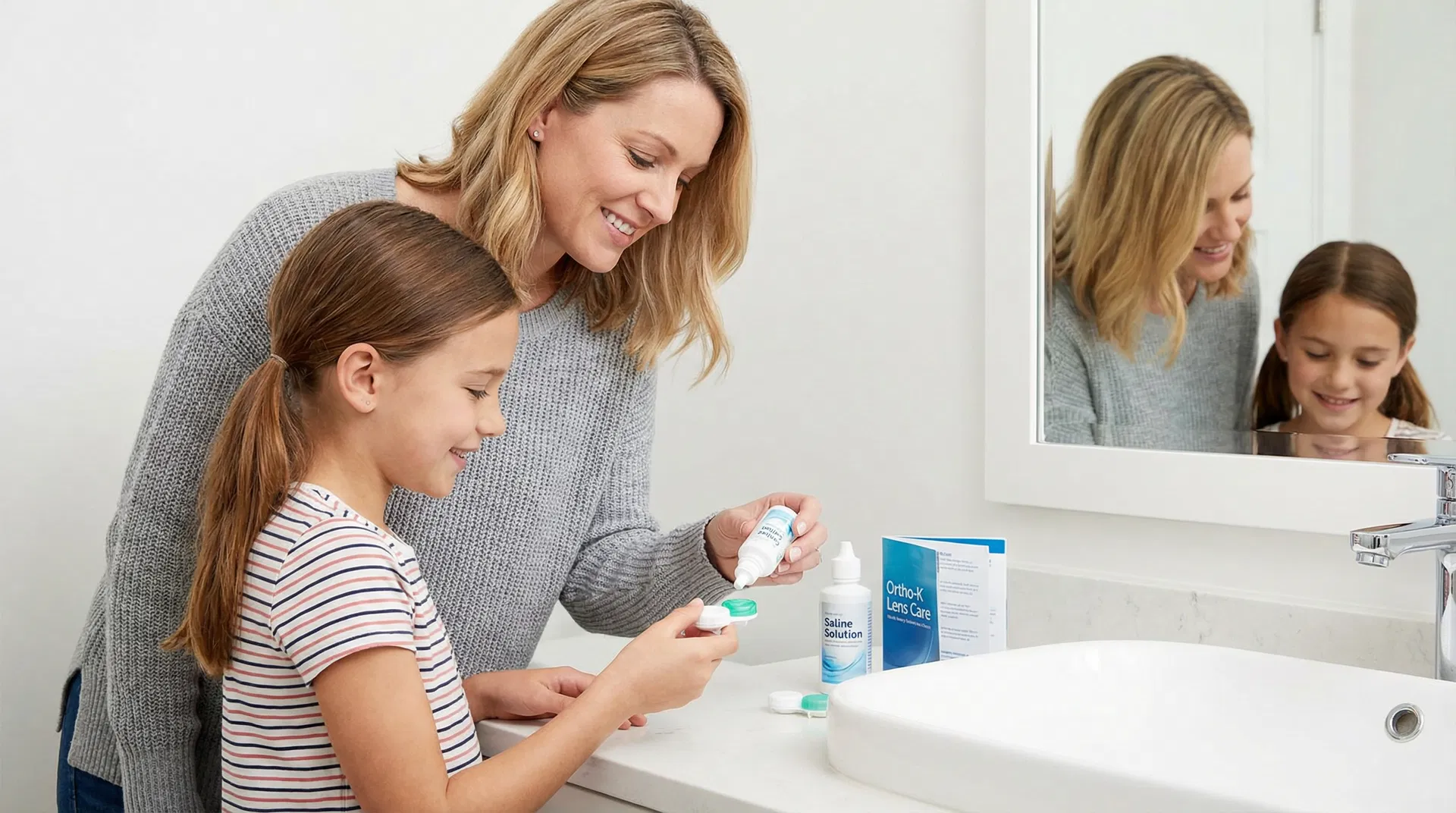
I cannot overstate this: the safety of Ortho-K is inextricably linked to proper hygiene. The vast majority of complications are preventable. At our clinic, we have a rigorous training protocol for every new patient and their parents. We don’t just hand you the lenses and a bottle of solution; we walk you through the entire process, step-by-step, until you are completely confident.
Your partnership is the key to success. This includes:
- Hand Washing: Always washing hands thoroughly with soap and water and drying with a lint-free towel before handling the lenses.
- Approved Solutions: Only using the specific cleaning and disinfecting solutions prescribed. Never use tap water!
- Case Care: Cleaning the lens case daily and replacing it regularly, as recommended.
- Following the Schedule: Adhering strictly to the wearing schedule and follow-up appointments.
These appointments are critical. They allow me to monitor the health of your child’s eyes, ensure the lenses are fitting perfectly, and answer any questions you have. It’s a team effort, and I’m your partner every step of the way.
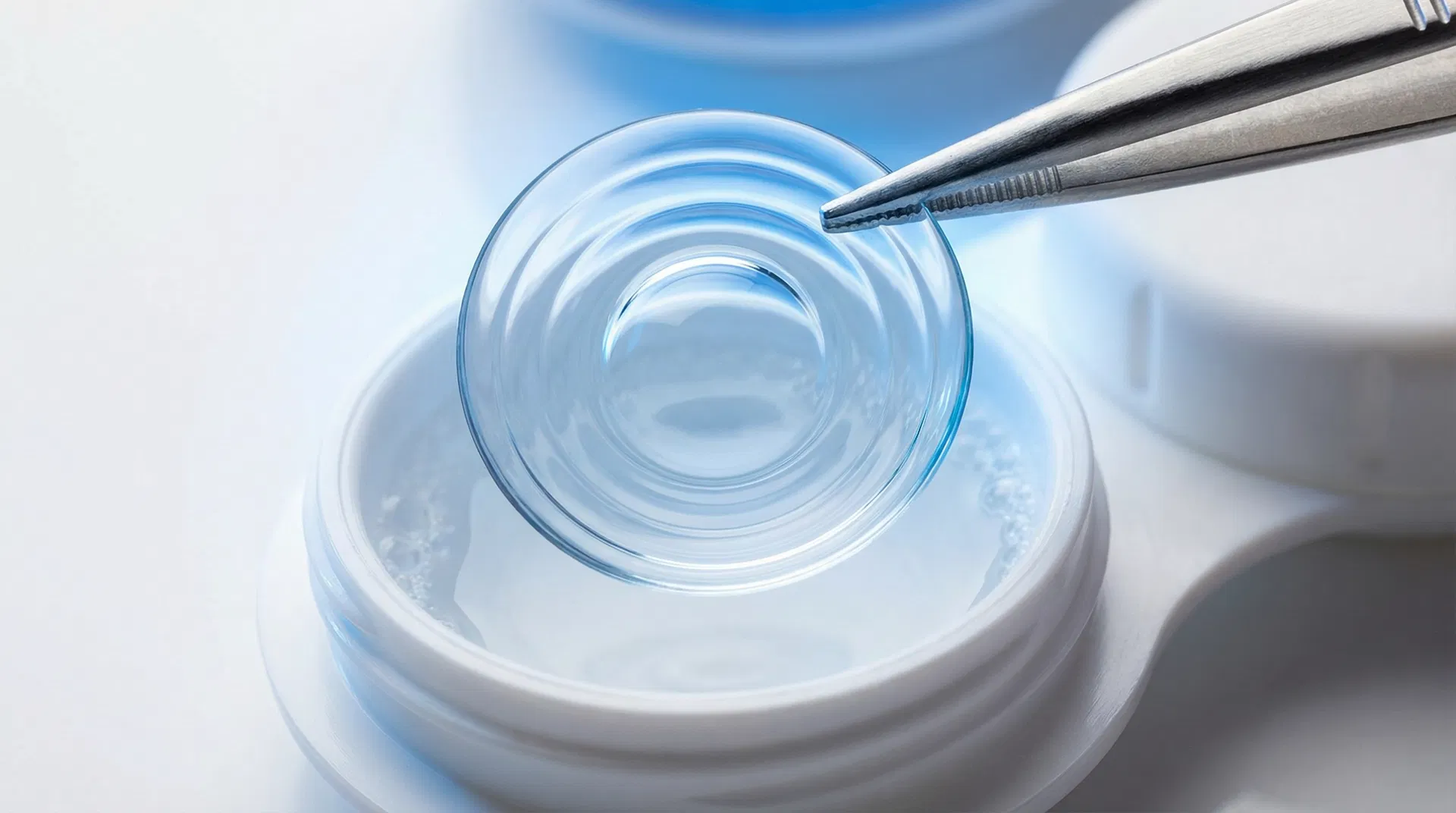
Modern Ortho-K lenses are made from highly oxygen-permeable materials, crucial for overnight corneal health.
Modern Advancements in Ortho-K Safety
Today’s Ortho-K is not the same as it was 20 years ago. The technology has evolved significantly, with safety as the driving force behind the innovation. One of the biggest breakthroughs has been in lens materials. Modern Ortho-K lenses are made from highly advanced, hyper-oxygen permeable materials. This is crucial because the cornea gets its oxygen directly from the air. These materials allow for maximum oxygen transmission to the cornea, even during overnight wear, which is essential for maintaining excellent eye health.
Furthermore, the diagnostic and design technology has become incredibly precise. We use a device called a corneal topographer to create a detailed, 3D map of your child’s cornea. This map, as unique as a fingerprint, allows us to design a custom lens that fits perfectly, ensuring both comfort and safety. This level of customization was unimaginable in the early days and has played a huge role in reducing complication rates over time.
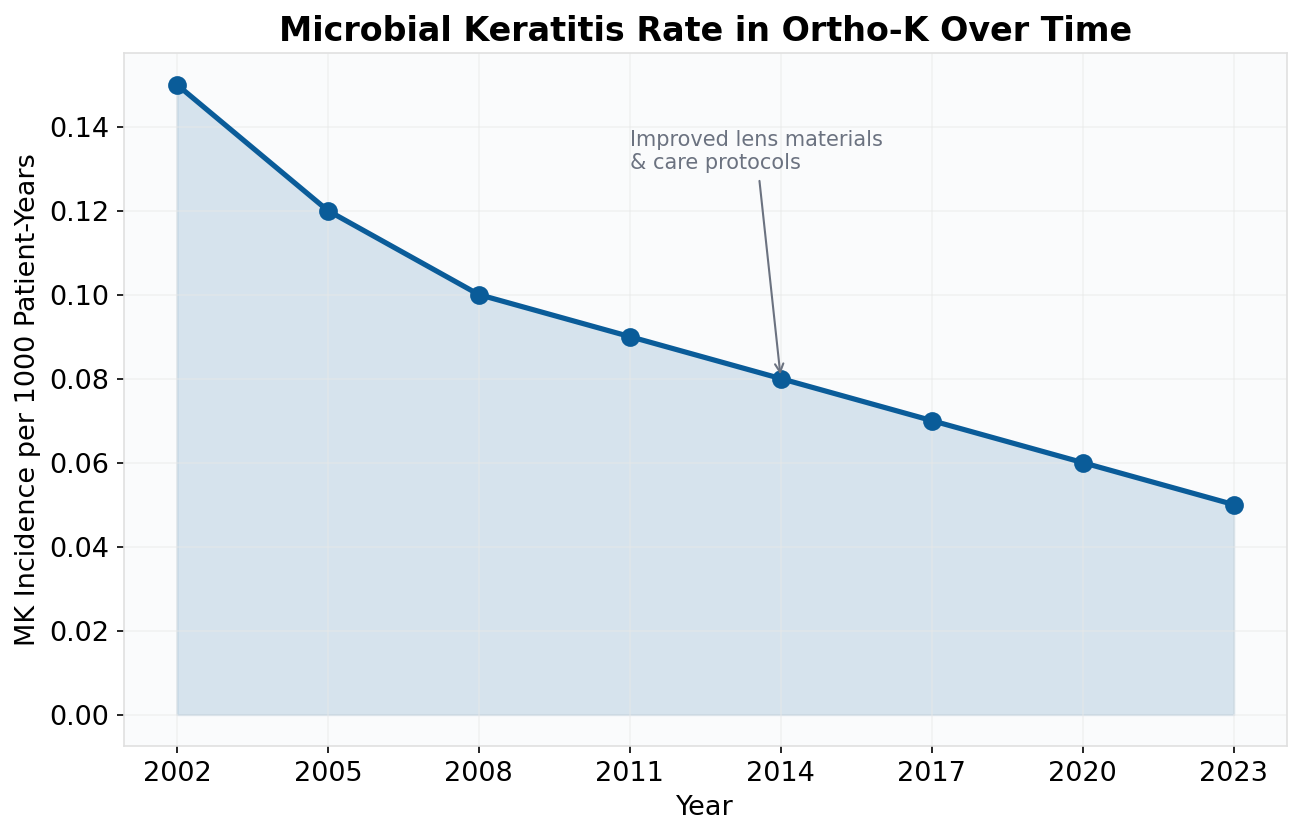
The incidence of microbial keratitis with Ortho-K has declined over the past two decades thanks to better materials and stringent clinical protocols.
What Parents in Fayetteville and Cumberland County Should Know
Here in the Fayetteville area, we have a vibrant community with active kids. From soccer fields to dance studios, our children are always on the move. For a child with myopia, glasses can be a constant hassle—breaking, falling off, or getting fogged up. Traditional daytime contacts can be a challenge for kids to manage at school. This is where Ortho-K truly shines. It provides clear vision all day long without the need for glasses or contacts, offering a level of freedom that is perfect for the active lifestyle of a Fort Liberty family.
I’ve seen firsthand how Ortho-K can boost a child’s confidence. They can participate in sports and other activities without worrying about their vision. It’s not just about seeing clearly; it’s about living freely. If you’re considering this for your child, I encourage you to learn more about how it works [blocked] and see if they are a good candidate with our candidacy quiz [blocked].
sleepSEE® Myopia Control: Your Investment in Your Child's Future Vision
Choosing the right myopia control strategy is one of the most important decisions you’ll make for your child’s long-term eye health. At sleepSEE®, we are committed to providing the highest standard of care. It’s important to understand that sleepSEE® myopia control is a specialty service not covered by insurance. However, we believe that financial constraints should not stand in the way of quality care. We offer flexible payment options and are pleased to confirm that you can use your HSA/FSA funds for the treatment. This is an investment not just in clear vision today, but in protecting their eyes for a lifetime.
We have a wealth of information on our blog [blocked] and invite you to find a provider [blocked] near you to start the conversation.
Frequently Asked Questions (FAQs)
What is the youngest age a child can start Ortho-K?
Generally, we can start fitting children as young as 7 or 8 years old. The key factors are maturity, responsibility level (with parental help), and the ability to handle the lenses. I have successfully treated many young children who have adapted wonderfully.
What happens if my child misses a night of wear?
Missing a single night is not a problem. Your child’s vision might be slightly less clear the next day, but it will typically return to normal after resuming the overnight wear. We provide a pair of backup glasses for these situations, just in case.
Is Ortho-K uncomfortable to wear?
There is an initial awareness period, much like with any contact lens. However, because the lenses are worn during sleep, most children are not bothered by them at all. The custom-fit design ensures they are as comfortable as possible, and most kids forget they are even wearing them within a few minutes of putting them in.
Can adults use Ortho-K?
Absolutely! While it is a fantastic tool for myopia control in children, many adults choose Ortho-K for the freedom from daytime glasses and contacts. The safety profile for adults is just as strong.
I hope this has helped to answer your questions about the safety of Ortho-K. It’s a conversation I’m always happy to have. My goal is to empower you with the information you need to make the best decision for your child’s vision and their future.
Last reviewed: February 2026
Free Download: The Science Behind Ortho-K
A plain-language summary of 12 key clinical studies on orthokeratology efficacy.
- Summary of 12 peer-reviewed clinical studies
- Myopia progression rates with/without treatment
- Ortho-K vs. atropine vs. multifocal lenses
- FDA approval history and safety data
Ortho-K Research Summary
Science & Evidence — Free PDF
Dr. James Singletary, OD, FIAOMC
Dr. James Singletary, OD, FIAOMC is a contributor to the sleepSEE Insights blog, sharing expert knowledge on myopia progression, orthokeratology (Ortho-K) and myopia control.