As an optometrist who has dedicated my career to the field of myopia control, I often get asked about the origins of the technologies I use. It’s a question that always brings a smile to my face, because the story of orthokeratology, or ortho-k, is a fascinating journey of innovation, persistence, and a little bit of accidental genius. It’s a story that starts long before I opened my practice here in Fayetteville, North Carolina, and it’s a story that continues to unfold with exciting new developments.
Many of my patients, from military families at Fort Liberty to long-time residents of Cumberland County, are surprised to learn that the concept of reshaping the cornea to improve vision isn’t a new one. In fact, the idea has been around for over half a century! But how did we get from the early, unpredictable methods of the 1960s to the precise, FDA-approved sleepSEE® lenses we use for myopia control today? Let’s take a look back at the remarkable history of orthokeratology.
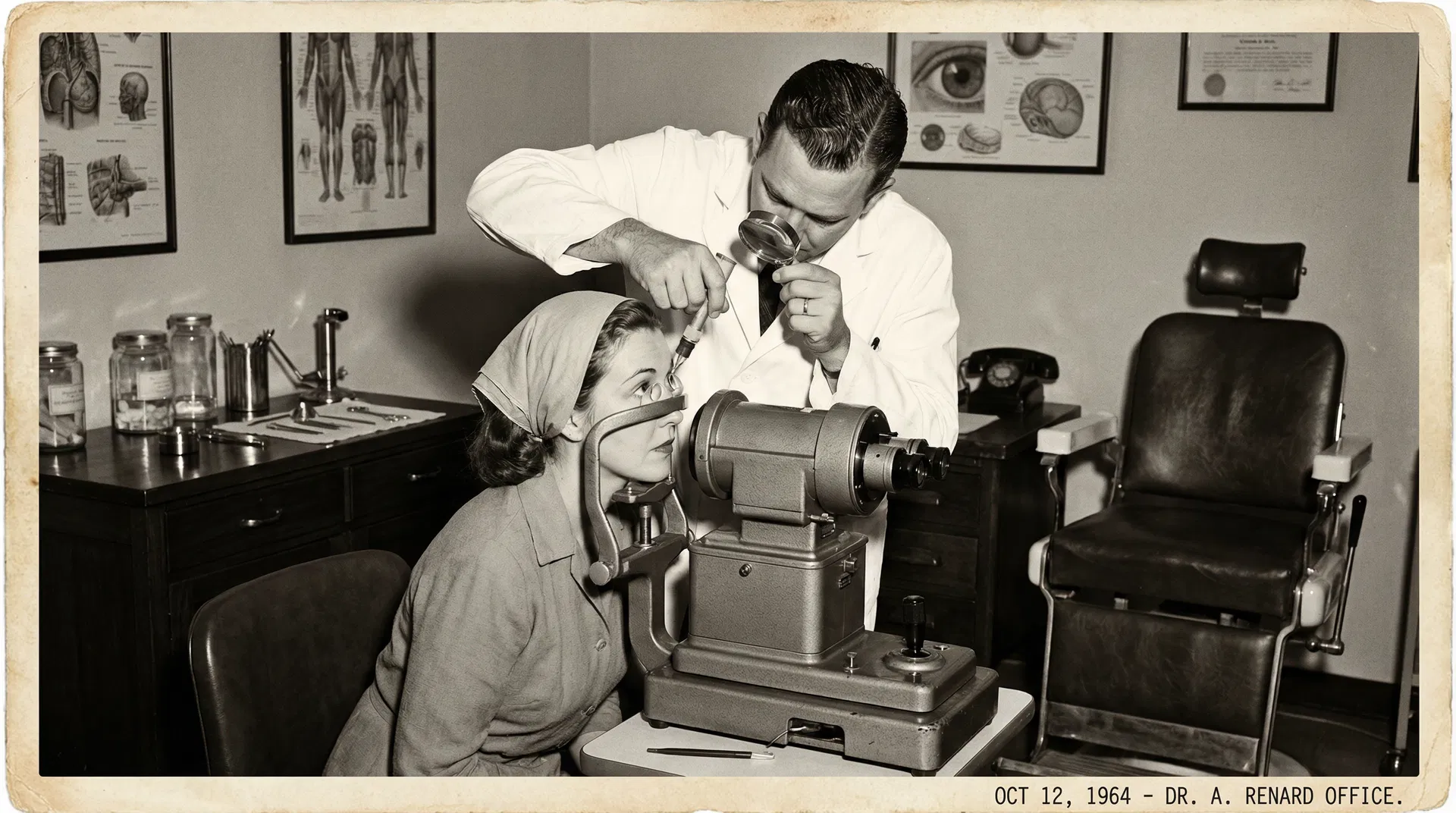
The story of modern orthokeratology begins in the 1960s with an optometrist named George Jessen. At the time, contact lenses were made from a hard, non-breathable plastic called polymethylmethacrylate (PMMA). Dr. Jessen noticed something interesting: when his patients wore these PMMA lenses, their corneas would sometimes temporarily change shape, leading to a slight improvement in their natural vision after taking the lenses out. This was an unintended side effect, but it sparked an idea. What if this corneal reshaping could be done on purpose?
Dr. Jessen developed a technique he called "Orthofocus," where he would intentionally fit PMMA lenses flatter than the cornea to gently mold it into a new shape. The goal was to reduce myopia, and while the concept was revolutionary, the results were often unpredictable. The PMMA material didn’t allow oxygen to reach the cornea, which limited wearing time and caused swelling. The lens designs were simple, and without advanced tools to measure the cornea’s shape, it was more of an art than a science. Still, the seed was planted. The idea that we could actively reshape the eye’s surface to correct vision was born.
The RGP Revolution and Reverse Geometry Designs
The next major leap forward came with the development of rigid gas permeable (RGP) materials in the 1970s and 80s. Unlike PMMA, RGP lenses allowed oxygen to pass through to the cornea, making them much healthier for the eye and allowing for longer wear. This was a game-changer for all contact lens wearers, but it was especially important for the advancement of orthokeratology.
Around the same time, pioneers like Dr. Richard Wlodyga and Nick Stoyan began experimenting with more sophisticated lens designs. They are largely credited with developing the first "reverse geometry" lens. This might sound complicated, but the concept is quite elegant. A traditional contact lens has a single curve on the back surface that roughly matches the curve of the cornea. A reverse geometry lens, however, has a central curve that is flatter than the cornea (to do the reshaping), surrounded by a steeper "reverse curve." This secondary curve helps to center the lens on the eye and creates a space for the corneal tissue to move into. This design was a major breakthrough, leading to more predictable results and better lens stability on the eye.
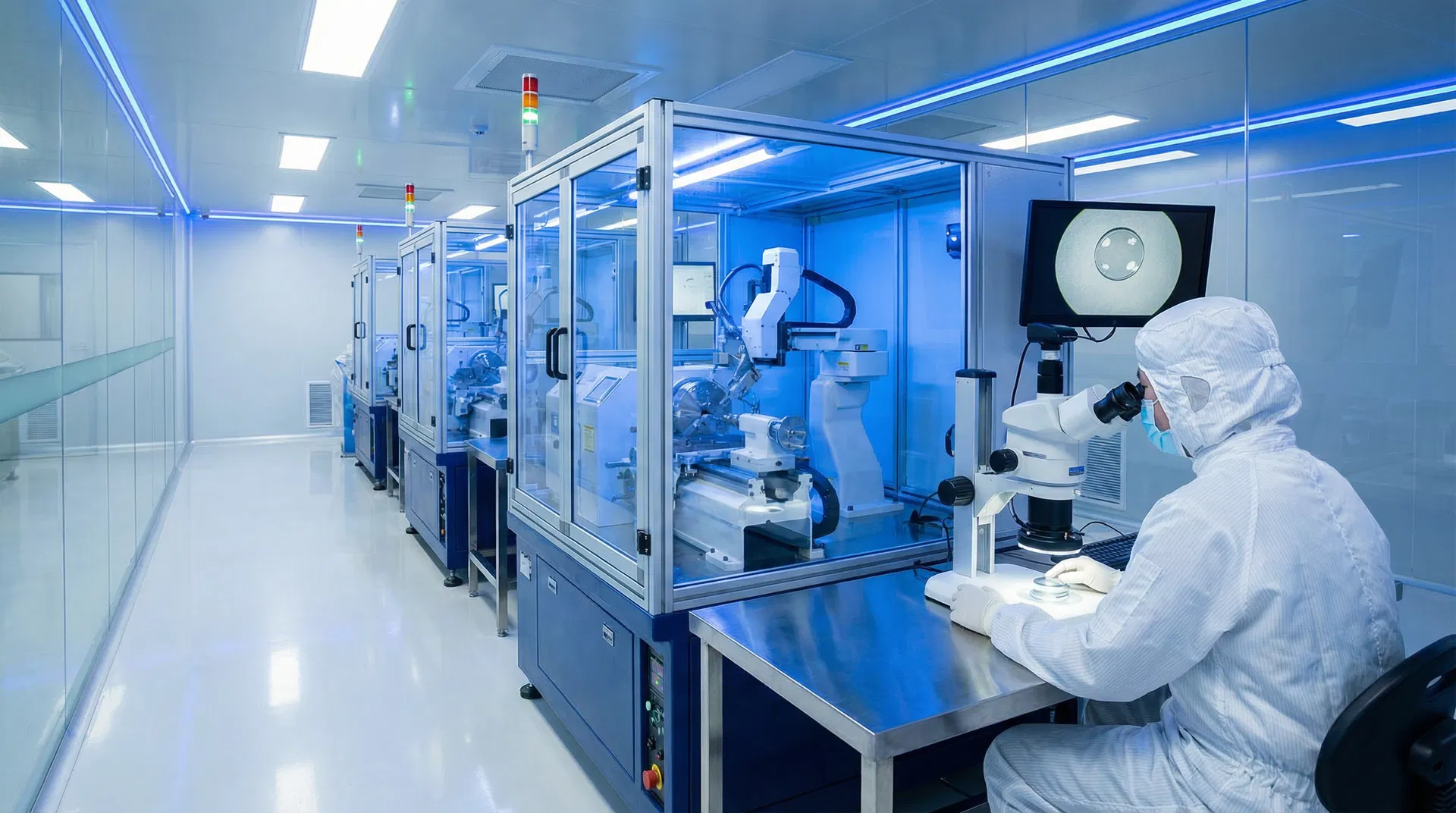
*Modern ortho-k lenses are manufactured using incredibly precise, computer-controlled lathes, a world away from the early days of lens making.*
The Digital Age: Corneal Topography and Precision Manufacturing
Despite the advances in materials and design, orthokeratology in the 1980s was still limited by the tools available to practitioners. We could measure the central curvature of the cornea with a keratometer, but we couldn’t see the whole picture. That all changed in the 1990s with the advent of computerized corneal topography.
For the first time, we could create a detailed, color-coded map of the entire corneal surface, much like a topographic map of a mountain. This technology was revolutionary. It allowed us to see exactly how the ortho-k lens was interacting with the cornea and to design lenses with an unprecedented level of precision. Here in my Fayetteville practice, the corneal topographer is one of the most important tools I use, allowing me to customize sleepSEE® lenses for each individual patient’s unique eye shape. You can learn more about this process on our how it works [blocked] page.
Combined with the development of computer-controlled lathes that could manufacture these complex lens designs with incredible accuracy, the digital age transformed orthokeratology from an art into a highly predictable science.
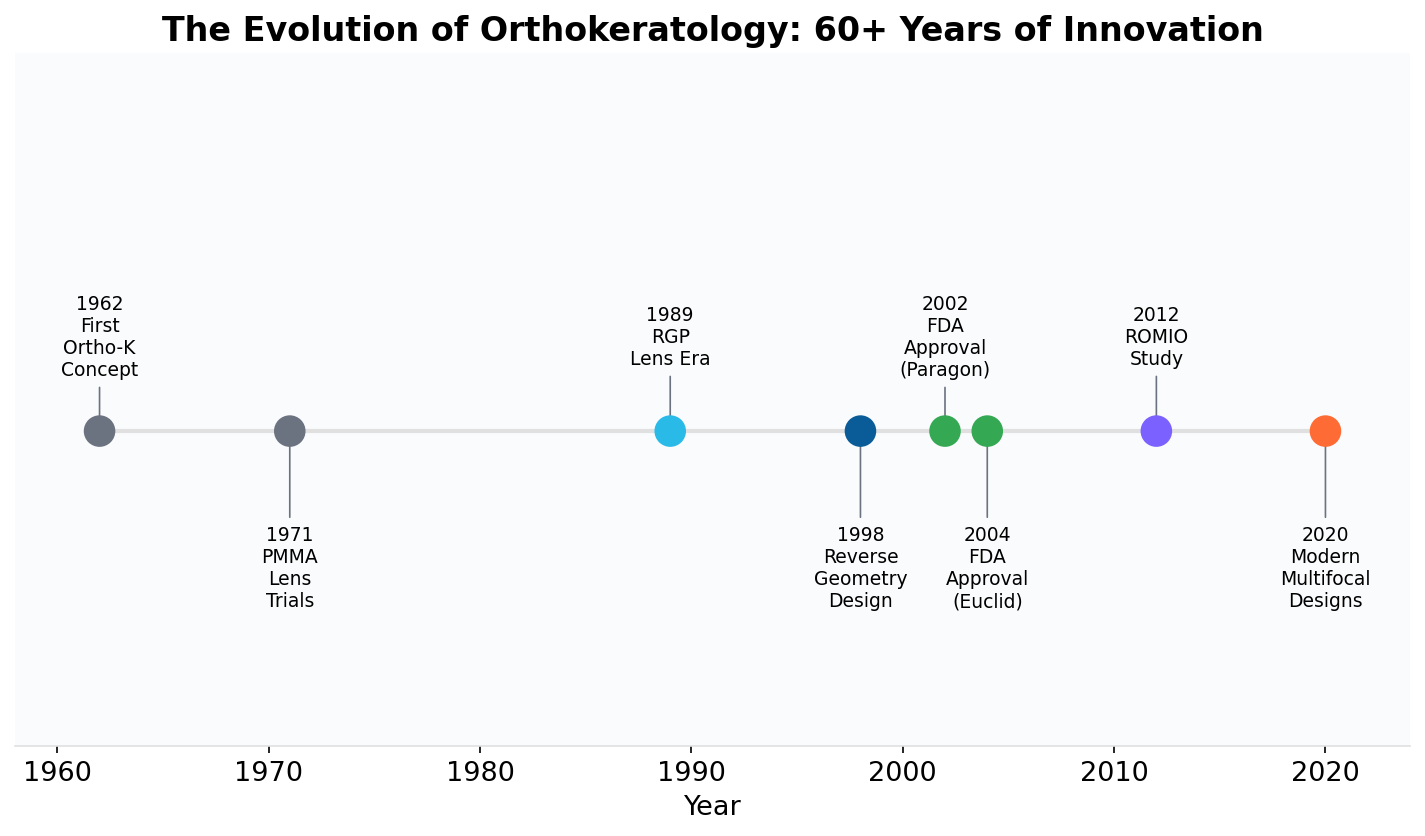
*This timeline illustrates the key milestones in the development of orthokeratology, from early concepts to modern myopia control.*
A New Millennium: FDA Approval and the Rise of Overnight Ortho-K
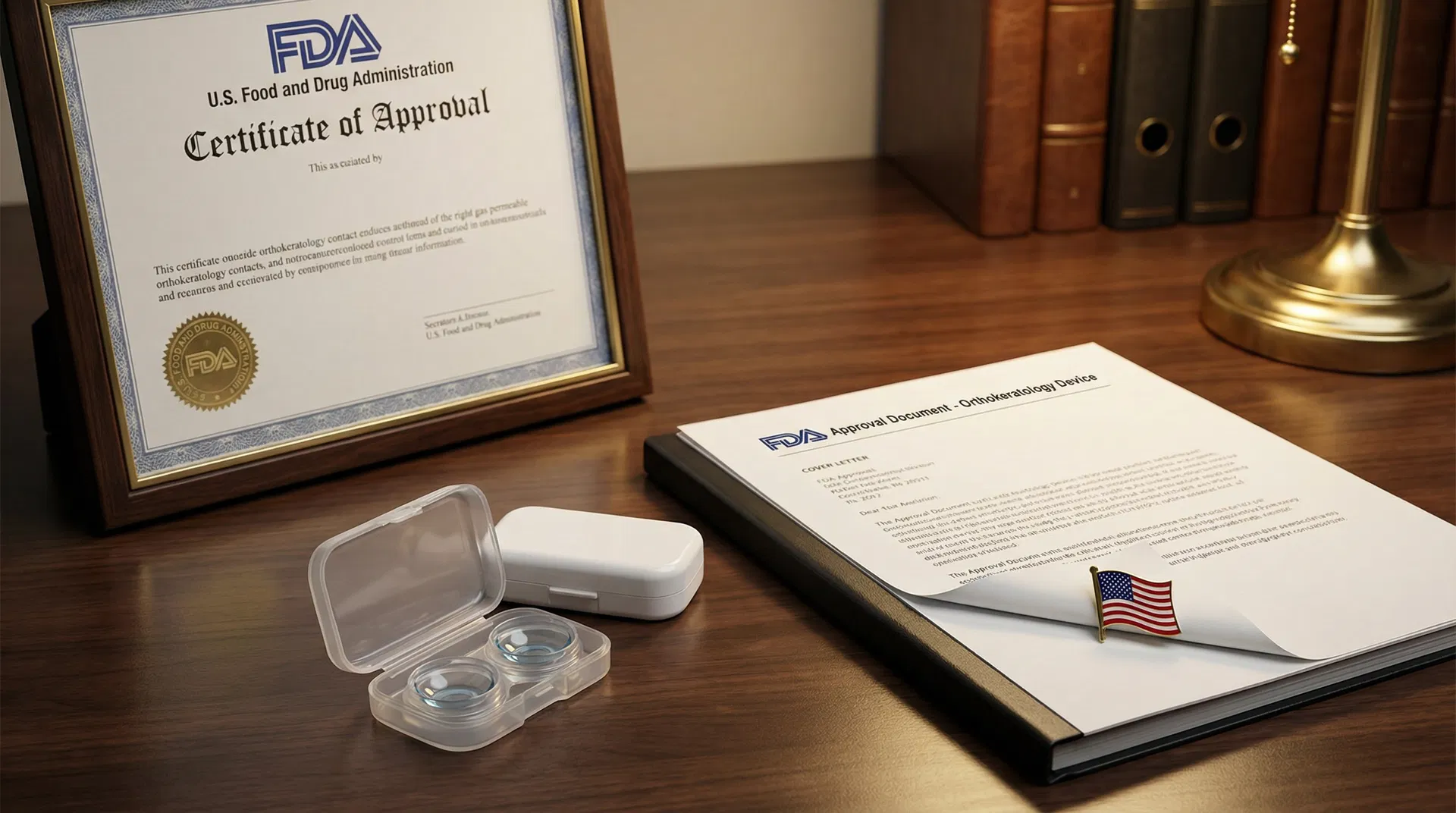
The early 2000s marked a major turning point for orthokeratology. In 2002, the U.S. Food and Drug Administration (FDA) granted approval for the first reverse geometry lens design to be worn overnight. This was a landmark achievement, validating the safety and effectiveness of the procedure. The ability to wear the lenses while sleeping and enjoy clear vision all day without glasses or contacts was a huge benefit for patients.
This FDA approval, for a procedure called "Corneal Refractive Therapy" (CRT), opened the floodgates. More companies began to develop and market their own overnight ortho-k lenses, and the procedure became a mainstream option for vision correction. It was no longer a niche specialty but a widely recognized and trusted method for temporarily reducing myopia.
The Modern Era: Ortho-K for Myopia Control
Which brings us to today. While ortho-k is still an excellent option for adults who want freedom from glasses and daytime contacts, the most exciting application of this technology is now in the field of myopia control for children. A growing body of research from respected institutions like the American Academy of Ophthalmology (AAO) and the National Eye Institute (NIH) has shown that ortho-k can significantly slow down the progression of nearsightedness in children. [1] [2]
This is the part of my job that I’m most passionate about. Here in Cumberland County, we’re seeing more and more children developing myopia at a young age. By using sleepSEE® lenses, we can not only give these kids clear vision during the day but also help protect their eyes for the future by slowing down the stretching of the eye that causes myopia to worsen. It’s a proactive approach to eye health that can have a lifelong impact. If you’re wondering if your child might be a candidate, I encourage you to take our candidacy quiz [blocked].
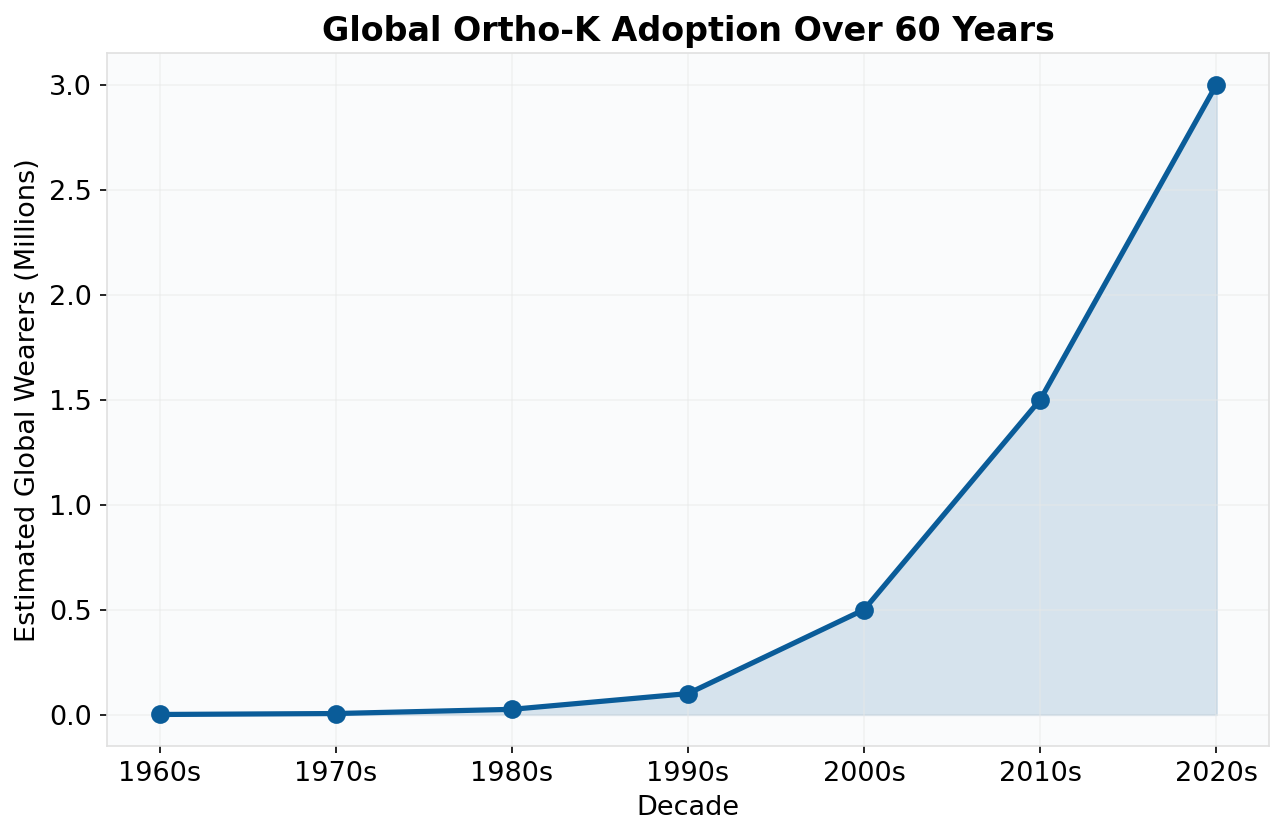
*The global adoption of orthokeratology has seen a dramatic increase, particularly with its proven effectiveness in myopia control.*
Ortho-K Technology: A Journey Through Time
It's truly remarkable to see how far we've come. This table provides a snapshot of the evolution of ortho-k technology over the decades:
| Decade | Lens Material | Lens Design | Key Technology | Predictability | Primary Use |
|---|---|---|---|---|---|
| 1960s | PMMA (non-permeable) | Simple, spherical | Keratometry | Low | Myopia reduction |
| 1970s-80s | RGP (gas permeable) | Reverse Geometry | N/A | Moderate | Myopia reduction |
| 1990s | Higher Dk RGP | Advanced Reverse Geometry | Corneal Topography | High | Myopia reduction |
| 2000s-Present | Hyper Dk RGP | Custom, toric designs | Wavefront Aberrometry | Very High | Myopia control & vision correction |
From the early days of trial and error to today’s data-driven, customized approach, the history of orthokeratology is a testament to the power of innovation in eye care. It’s a journey that has brought us to a place where we can offer our patients, both young and old, a safe, effective, and convenient way to see clearly and protect their vision.
If you’re interested in learning more about the latest advancements in ortho-k and myopia control, I invite you to explore our blog [blocked] or schedule a consultation to see if sleepSEE® is right for you or your child. We are proud to serve the Fayetteville and Fort Liberty communities and are committed to providing the most advanced eye care available.
It is important to note that sleepSEE® myopia control is a specialty service not covered by insurance. However, we believe that every family should have access to this life-changing technology. That’s why we offer flexible payment options and accept HSA/FSA funds to make treatment affordable.
Frequently Asked Questions
Was ortho-k really discovered by accident?
Yes, in a way. The very first observations of corneal reshaping were an unintended side effect of early hard contact lenses. Dr. George Jessen was the first to recognize the potential of this effect and intentionally develop a technique to harness it for vision correction, paving the way for modern orthokeratology.
Is ortho-k safe?
Yes, when prescribed and managed by a qualified and experienced optometrist, ortho-k is a very safe procedure. The development of highly oxygen-permeable materials and the FDA’s approval of overnight wear have established a strong safety record for ortho-k. Like all contact lenses, proper hygiene and regular follow-up care are essential for maintaining eye health.
How has technology changed ortho-k?
Technology has been the driving force behind the evolution of ortho-k. Computerized corneal topography allows us to map the eye’s surface with incredible detail, and computer-controlled lathes enable us to create highly customized lenses. These advancements have transformed ortho-k from an unpredictable art into a precise and reliable science.
Why is ortho-k used for myopia control in children?
Research has shown that the unique way ortho-k lenses reshape the cornea not only corrects central vision but also changes how light focuses on the peripheral retina. This peripheral defocus is believed to be a key signal that tells the eye to stop growing, thus slowing down the progression of myopia. It’s one of the most effective methods we have for myopia control [blocked].
Can any eye doctor perform ortho-k?
While all optometrists receive some training in contact lenses, orthokeratology is a specialty that requires advanced training, experience, and instrumentation. It’s important to seek out a provider who is a fellow of the International Academy of Orthokeratology and Myopia Control (FIAOMC) to ensure you are receiving the highest standard of care. You can use a provider locator [blocked] to find a qualified specialist near you.
Last reviewed: February 2026
[1] Liu, Y. M., & Xie, P. (2016). The Safety of Orthokeratology—A Systematic Review. Eye & Contact Lens: Science & Clinical Practice, 42(1), 35–42. https://doi.org/10.1097/ICL.0000000000000219
[2] Sun, Y., Xu, F., Zhang, T., Liu, M., Wang, D., Chen, Y., & Liu, Q. (2015). Orthokeratology to control myopia in children: a meta-analysis. Optometry and Vision Science, 92(3), 252-257. https://journals.lww.com/optvissci/fulltext/2015/03000/orthokeratology_to_control_myopia_in_children__a.2.aspx__
Free Download: The Science Behind Ortho-K
A plain-language summary of 12 key clinical studies on orthokeratology efficacy.
- Summary of 12 peer-reviewed clinical studies
- Myopia progression rates with/without treatment
- Ortho-K vs. atropine vs. multifocal lenses
- FDA approval history and safety data
Ortho-K Research Summary
Science & Evidence — Free PDF
sleepSEE Medical Advisory Board
sleepSEE Medical Advisory Board is a contributor to the sleepSEE Insights blog, sharing expert knowledge on myopia progression, orthokeratology (Ortho-K) and myopia control.