Hey everyone, Dr. James Singletary, OD, FIAOMC here. As a dad and an optometrist here in Fayetteville, I get a lot of questions from parents about their kids' vision. And with school back in session, one topic comes up again and again: school vision screenings.
You get that letter home from the Cumberland County school nurse, maybe with a little checkmark next to "passed," and breathe a sigh of relief. One less thing to worry about, right?
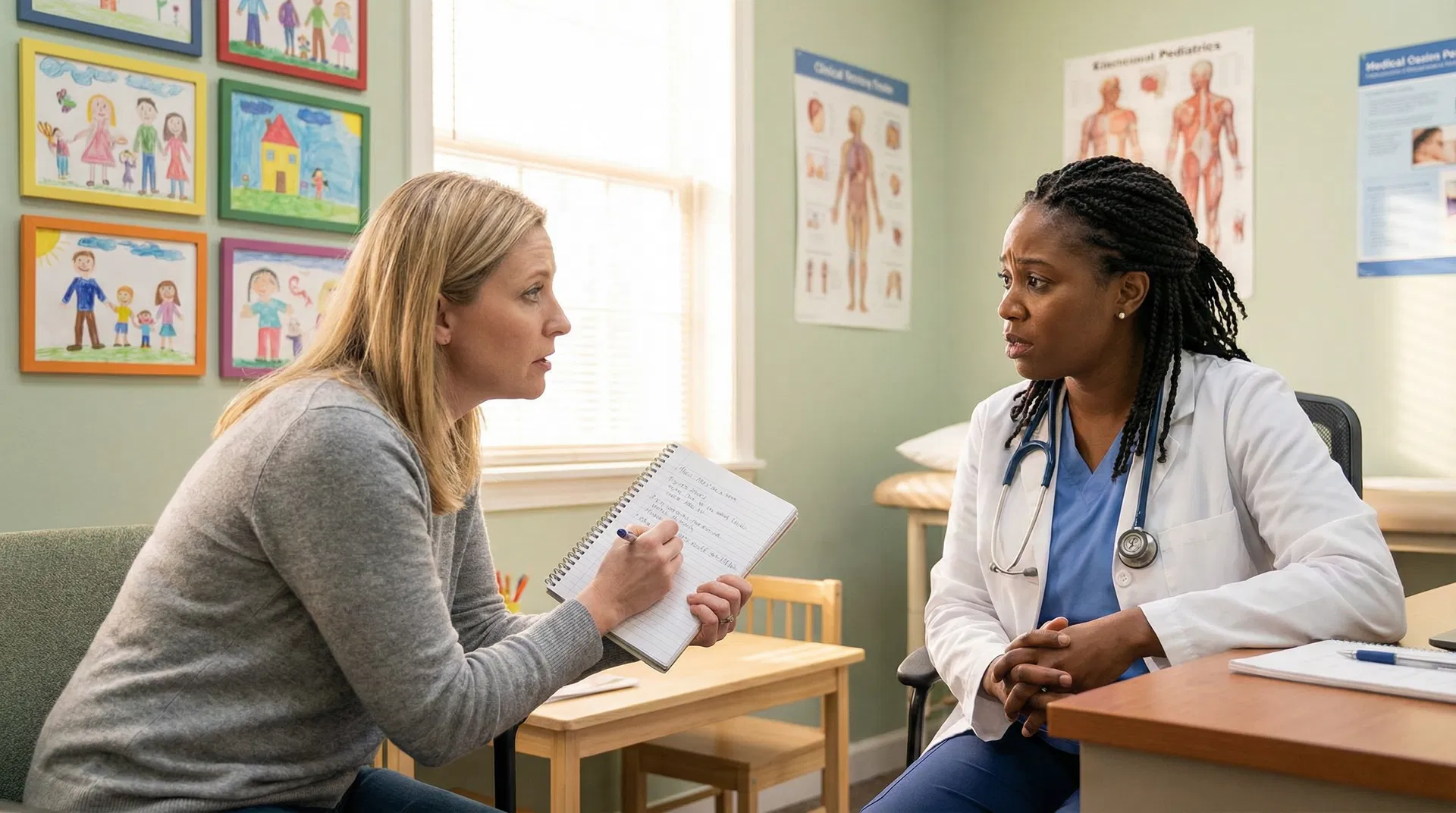
Well, I want to talk to you today, parent to parent, about what those screenings really mean. And more importantly, what they don't.
Here's the thing: a school vision screening is not a comprehensive eye exam. Not even close. And relying on that screening alone can give you a false sense of security while a real, treatable vision problem goes undetected.
In This Article
- What's a School Vision Screening, Anyway?
- The Big Problem: What Screenings Miss
- The Comprehensive Exam: A Different World
- The Myopia Epidemic and Why It Matters for Fayetteville Families
- A Note on Insurance
- Your Child's Future is in Focus
- Frequently Asked Questions
What's a School Vision Screening, Anyway?
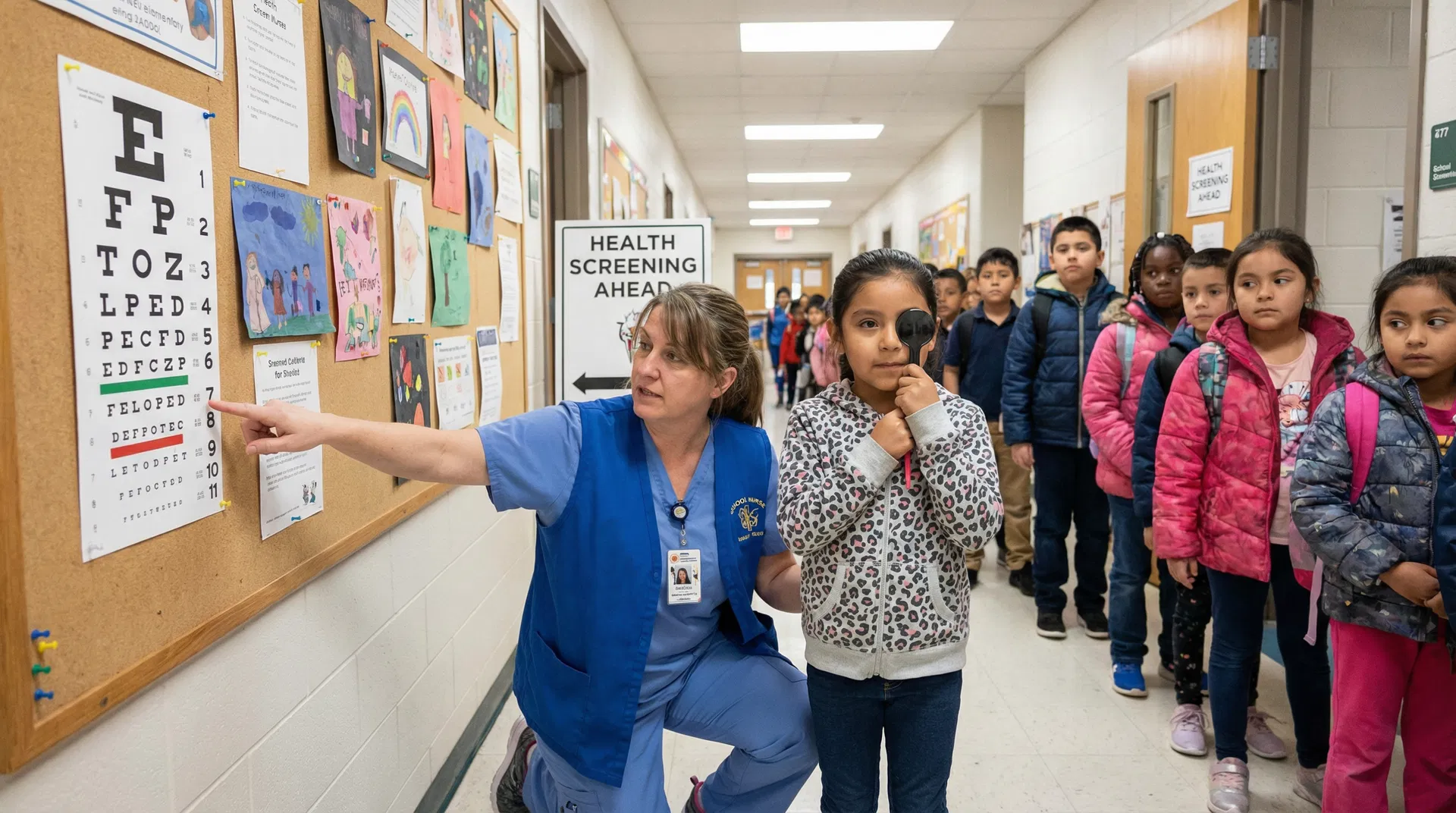
Think of a school vision screening as a quick, simple check. It's usually done by a school nurse or a trained volunteer, not an eye doctor. They're looking for major, obvious problems that could interfere with learning. Most of the time, this just means reading a letter chart from 20 feet away—the classic Snellen chart test.
If a child can't read the 20/40 line, they "fail" and get a referral to see an eye doctor. It’s a well-intentioned system designed to catch the most basic distance vision issues. But the pass/fail approach is a blunt instrument. It misses a huge range of vision problems that can seriously impact a child's life and learning.
The Big Problem: What Screenings Miss
So, what kind of problems are we talking about? A whole host of them. School screenings are designed to catch nearsightedness (myopia), but they often miss even that. And they aren't designed to detect other common issues like:
- Astigmatism: This is when the eye is shaped more like a football than a baseball, causing blurry vision at all distances.
- Hyperopia (Farsightedness): Kids are amazing compensators. They can often use their eye muscles to force the eye to focus and pass a screening, but the constant strain can lead to headaches, fatigue, and trouble with reading.
- Amblyopia (Lazy Eye): This is a brain-eye communication problem. If one eye sees clearly and the other doesn't, the brain starts to ignore the blurry eye. It can lead to permanent vision loss if not caught and treated early.
- Convergence Insufficiency: This is a problem with how the eyes work together as a team, making it hard to focus on close-up tasks like reading a book or looking at a screen.
Studies have shown just how much these screenings can miss. It’s not a small gap; it’s a canyon. Look at this data:
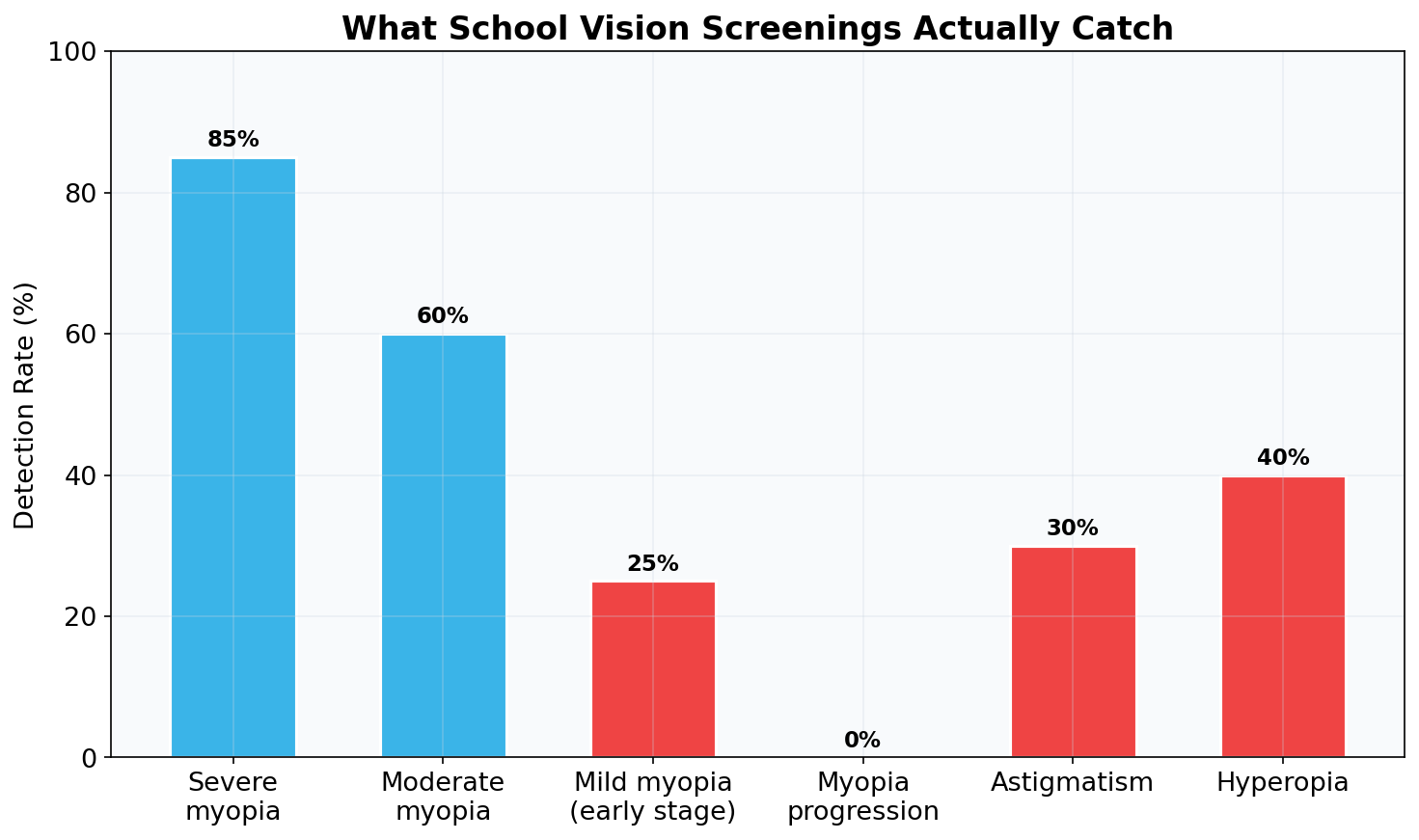
As you can see, screenings are terrible at catching things like astigmatism and farsightedness. A 2023 study published in Optometry and Vision Science confirmed that simple screenings are not enough. They just don't have the sensitivity to pick up on the subtle but significant issues we can find in a full exam.
For us here in North Carolina, the numbers are sobering. A significant percentage of children with vision disorders go undetected.
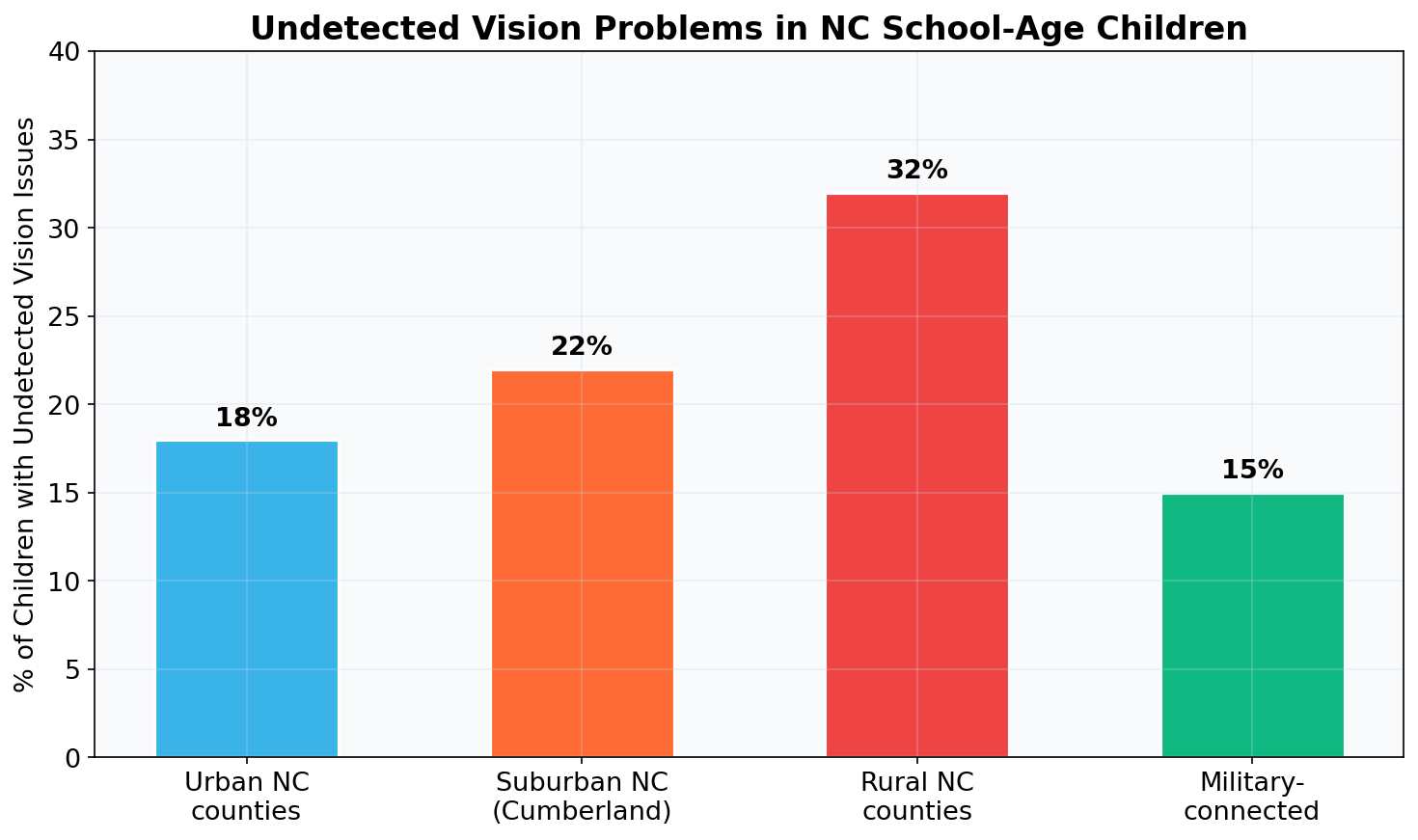
That's a lot of kids in our communities—in Fayetteville, Hope Mills, and right here in the neighborhoods around Fort Liberty—who are struggling when they don't have to be.
The Comprehensive Exam: A Different World
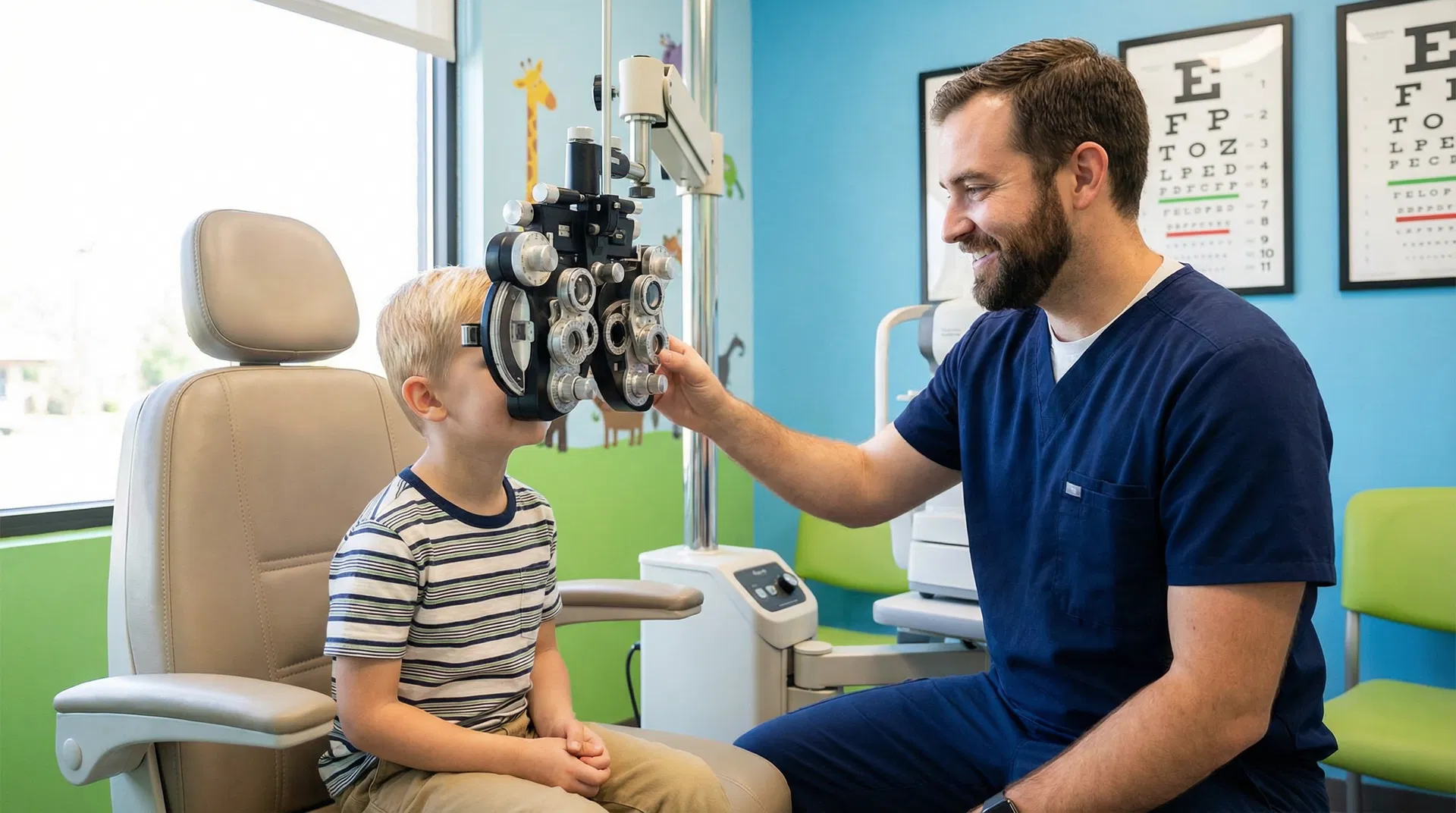
So what’s the alternative? A comprehensive eye exam with an optometrist. This is a whole different ballgame. It’s not just about reading a chart. It’s a deep dive into the total health of your child's eyes and the quality of their vision.
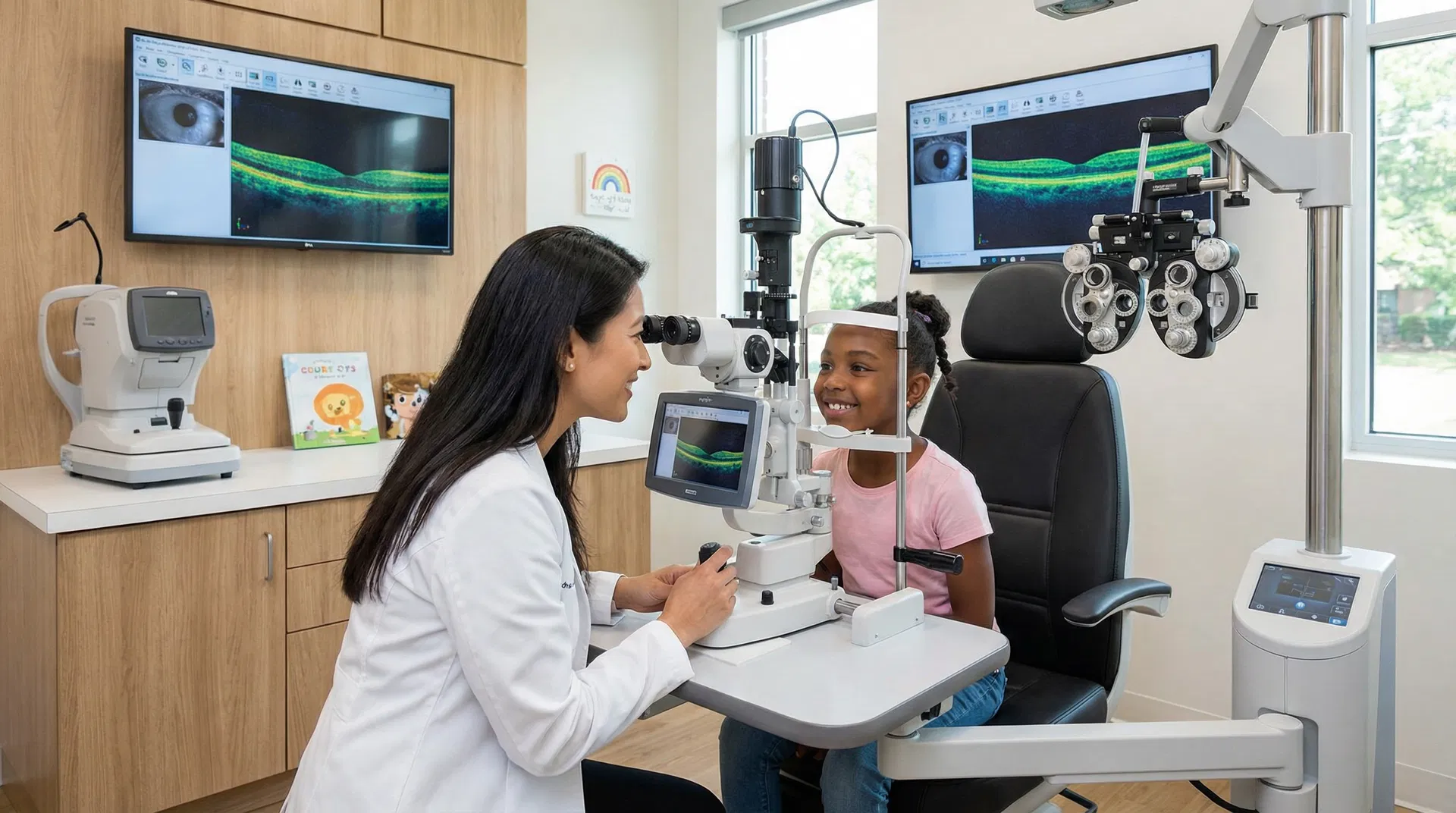
During a comprehensive exam, we:
- Check Visual Acuity: Yes, we do the letter chart, but we test each eye individually and at different distances.
- Assess Eye Teaming: We check how well the eyes work together. Do they track smoothly? Do they converge on a near object correctly?
- Test Focusing Ability: We measure how well the eyes can shift focus from near to far and sustain it.
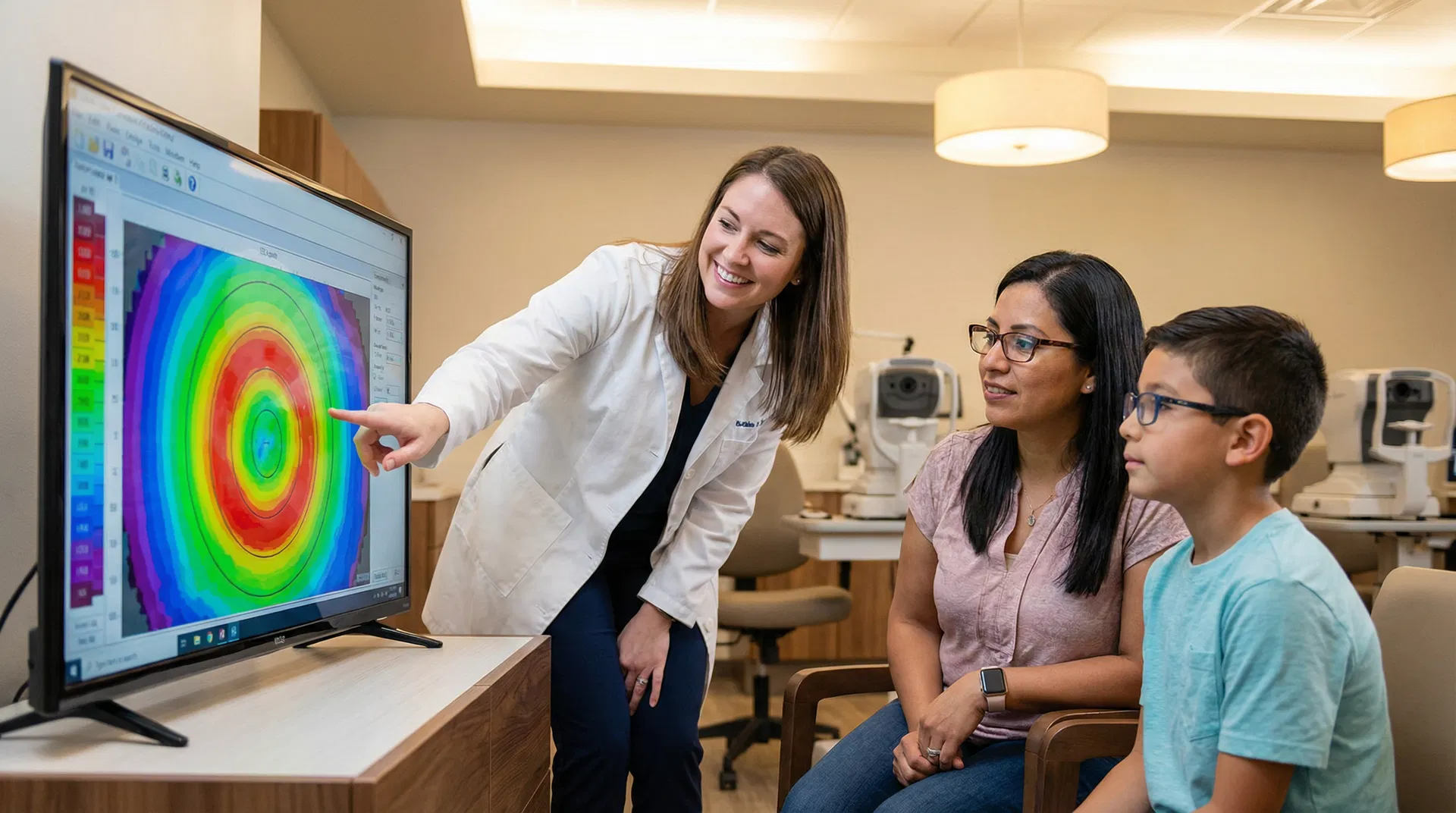
- Evaluate Eye Health: This is a big one. We use specialized equipment to look inside the eye, checking the retina, optic nerve, and blood vessels for any signs of disease. We can detect serious health issues, not just vision problems.
- Refraction: This is where we determine the precise prescription needed to correct for nearsightedness, farsightedness, or astigmatism.
Let me explain why that matters. A child who is struggling to read might not have a learning disability. They might just have convergence insufficiency that makes the words jiggle on the page. A kid who is "acting out" in class might just be frustrated because they can't see the board clearly. You can learn more about the subtle warning signs here: Signs Your Child Needs Myopia Control [blocked].
The Myopia Epidemic and Why It Matters for Fayetteville Families
One of the biggest things we're seeing an explosion of in our practice is myopia, or nearsightedness. And it's starting earlier and getting worse faster than ever before. This isn't just about needing glasses; high myopia significantly increases the risk of serious, sight-threatening diseases later in life, like retinal detachment, glaucoma, and cataracts.
This is where Myopia Control comes in. It’s a proactive approach to slow down the progression of your child’s nearsightedness. At sleepSEE, our main tool for this is a remarkable technology called Orthokeratology, or Ortho-K. These are special contact lenses worn overnight that gently reshape the cornea, the front surface of the eye. In the morning, your child takes them out and can see clearly all day long without glasses or contacts. No more worrying about broken frames during sports or losing a contact lens at a friend's house.
It’s a game-changer, and it’s something a school screening will never, ever tell you about. If you're wondering if your child might be a good fit, you can read more here: Is My Child a Candidate for Orthokeratology? [blocked]
A Note on Insurance
I know what you're thinking. "Dr. Singletary, this all sounds great, but what about the cost?" It's a fair question, especially for our military families here with TRICARE or those of us with Blue Cross. Here’s the reality: sleepSEE® myopia control is a specialty service not covered by insurance.
We believe in being upfront about that. However, we also believe that every child deserves to see their world clearly. That's why we offer flexible payment options to make it manageable for your family's budget. You can also use your Health Savings Account (HSA) or Flexible Spending Account (FSA) funds, which is a great way to pay for it with pre-tax dollars.
Your Child's Future is in Focus
That school screening letter is a starting point. A nudge. But it's not the final word on your child's vision. Your child’s ability to learn, to play, and to see their world clearly is too important to leave to a simple screening.
Don't wait for a failed screening to take action. Be proactive. Schedule a comprehensive eye exam for your child every single year. It’s one of the most important things you can do for their health and their future.
Frequently Asked Questions
1. At what age should my child have their first comprehensive eye exam? The American Optometric Association recommends the first exam between 6 and 12 months of age, again at age 3, and then before starting first grade. After that, an annual exam is best.
2. My child passed their screening. Should I still book an exam? Yes, absolutely. As we've discussed, screenings miss up to 75% of vision problems. A "pass" doesn't guarantee there isn't an underlying issue that needs attention.
3. What if my child is nervous about the eye exam? That's completely normal! We work with kids all day, every day. Our team is trained to make the experience fun and stress-free. We explain everything we're doing in kid-friendly terms and make it feel more like a game than a test.
4. How long does a comprehensive eye exam take? You can expect to be in our office for about 60 to 90 minutes. This gives us plenty of time to be thorough and answer all of your questions without rushing.
5. Does the exam hurt? Will my child need eye drops? The exam is painless. We may use dilating eye drops to get a better view of the back of the eye. These drops can make vision a little blurry and sensitive to light for a few hours, but they don't hurt. We always explain this process to you and your child beforehand.
6. My child already has glasses. Do they still need an annual exam? Yes. A child's vision can change quickly as they grow. An annual exam ensures their prescription is always up-to-date and allows us to monitor for any new developments or changes in their eye health.
Author: Dr. James Singletary, OD, FIAOMC Last reviewed: February 2026
References:
- Prevent Blindness: https://preventblindness.org/
- National Center for Biotechnology Information (NCBI): https://www.ncbi.nlm.nih.gov/pmc/
- American Academy of Ophthalmology (AAO)
- American Optometric Association (AOA)
Free Download: Myopia Risk Checklist for Parents
Is your child's vision at risk? Get the 10-point checklist used by ortho-k specialists.
- 10 warning signs myopia is progressing
- Questions to ask your eye doctor
- How to evaluate ortho-k candidacy
- What to expect in the first 30 days
Myopia Risk Checklist
For Parents — Free PDF Guide
Dr. James Singletary, OD, FIAOMC
Dr. James Singletary, OD, FIAOMC is a contributor to the sleepSEE Insights blog, sharing expert knowledge on myopia progression, orthokeratology (Ortho-K) and myopia control.