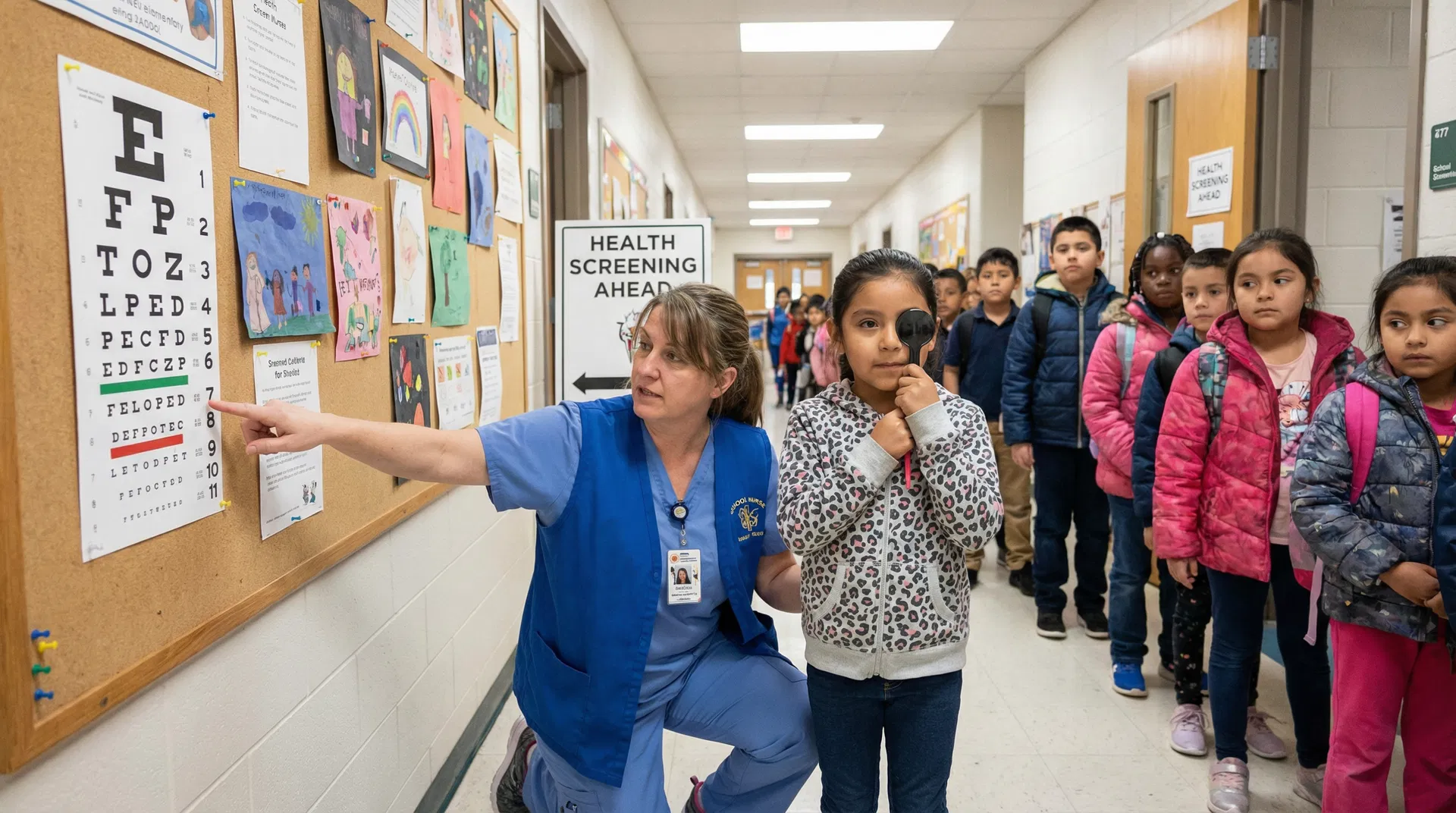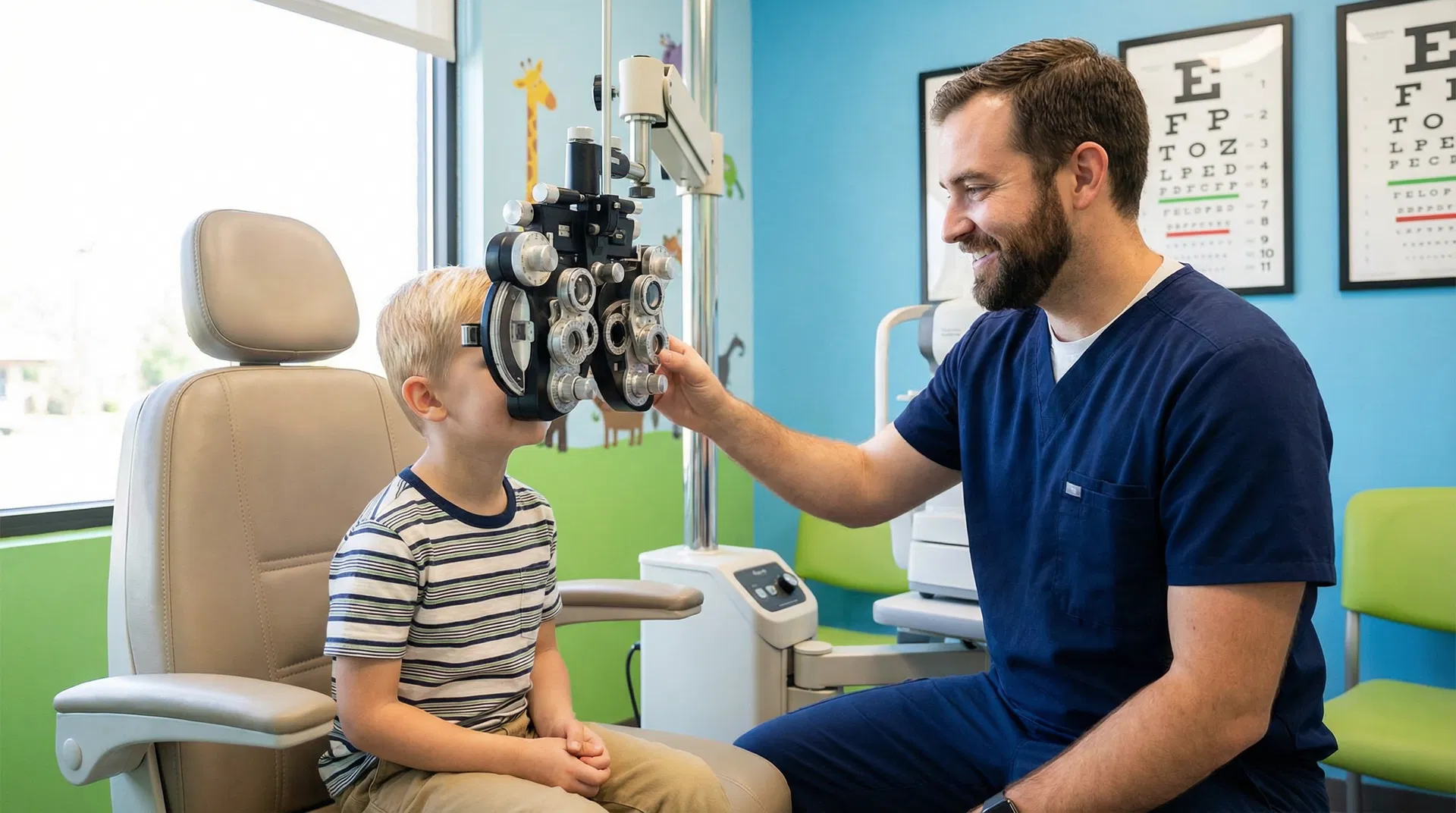
As an optometrist here in Fayetteville, one of the most common concerns I hear from parents is about their child's worsening eyesight. You notice they’re squinting more, or maybe their school screening came back with a note. It’s a worry I understand completely, not just as a doctor, but as a member of this community. We see so many families, from right here in Cumberland County to our neighbors at Fort Liberty, all asking the same question: "What can we do about it?"
Here's the thing: it’s not just about stronger glasses every year. We’re in the middle of what experts call a "childhood myopia epidemic." It’s a global issue, but it hits home for us. When your child’s vision is getting progressively worse, it’s called myopia progression. And that’s where myopia control comes in. It’s a proactive approach to slow down, or even stop, the elongation of the eyeball that causes nearsightedness to worsen. This isn’t just about clear vision today; it’s about protecting your child’s eye health for a lifetime.
Let me explain why that matters. High myopia isn’t just an inconvenience; it’s a significant risk factor for serious eye diseases later in life, like glaucoma, retinal detachments, and myopic maculopathy. So, when we talk about myopia control, we’re talking about a long-term investment in your child’s future. But with all the information out there, how do you choose the right path? Let’s break down the options together.
In This Article
- The Complete Guide to Myopia Control Options — Compared
- A Head-to-Head Comparison of Your Options
- What About the Cost?
- Frequently Asked Questions
- Your Partner in Your Child's Eye Health
A Head-to-Head Comparison of Your Options
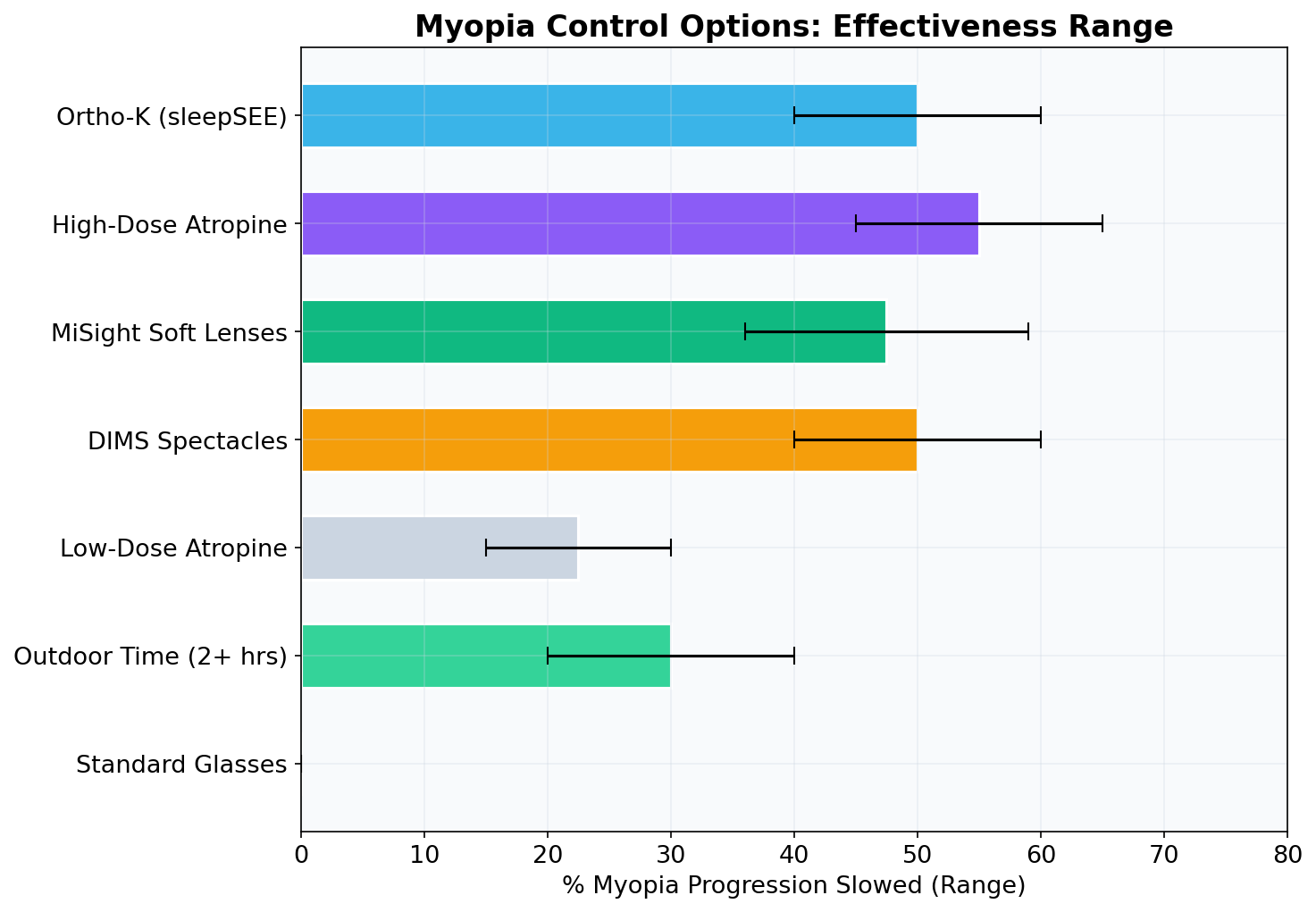
When it comes to myopia control, there are four main players on the field: our specialty sleepSEE® ortho-k lenses, low-dose atropine eye drops, multifocal soft contact lenses, and the simplest of all, increased outdoor time. Each has its own set of pros and cons, and the best choice really depends on your child, your family’s lifestyle, and your goals.
Here’s a chart that gives you a quick overview of how they stack up against each other:
1. sleepSEE® Orthokeratology (Ortho-K)
This is the option I’m most passionate about, and it’s the cornerstone of our practice. I often describe Ortho-K as a "retainer for the eye." It's a concept that clicks with a lot of parents. It involves wearing custom-designed rigid contact lenses overnight. While your child sleeps, the lenses gently and safely reshape the front surface of the eye (the cornea). They take them out in the morning and—voila!—clear vision all day long. No need for glasses or daytime contacts.
The real magic is in how it controls myopia. The reshaping process creates a unique optical profile on the retina that signals the eye to stop growing. A landmark 2022 study published in Optometry and Vision Science found that ortho-k slowed eye elongation by an average of 46% in children over a two-year period. It’s a powerful, non-surgical solution.
Think about the practical benefits for a child in the Cumberland County school system. They can participate in PE, read the board in class, and play with their friends at recess without worrying about their glasses falling off or getting broken. For the many military families we serve from Fort Liberty, the freedom from glasses can be a huge relief. It’s one less thing to worry about. You can read more about how it compares directly to other treatments in our article on Ortho-K vs. Atropine [blocked].
2. Low-Dose Atropine Eye Drops
Atropine is a medicated eye drop that has been used for decades for various eye conditions. In very low concentrations (typically 0.01% to 0.05%), it’s been found to be an effective tool for myopia control. The exact mechanism isn’t fully understood, but it seems to block certain receptors in the eye that trigger growth. A major study from the American Academy of Ophthalmology (AAO) has confirmed its effectiveness.
The big advantage here is that it’s just a single drop in each eye at bedtime. Simple. However, it doesn’t correct your child’s existing nearsightedness, so they will still need to wear their regular glasses or contact lenses during the day. While the low doses we use today have significantly fewer side effects than in the past, some children can still experience light sensitivity or slight blurriness with up-close reading. We work closely with you to monitor your child's experience and make adjustments as needed. It's a partnership.
3. Multifocal Soft Contact Lenses
These aren’t your standard soft contacts. Multifocal lenses have different zones of power, much like bifocal glasses. They correct distance vision while simultaneously creating a "defocus" effect in the peripheral vision. This peripheral defocus is what’s believed to send the "stop growing" signal to the eye, similar to how ortho-k works.
These are a good option for kids who are already comfortable with wearing soft contacts or for those who aren’t candidates for ortho-k. They provide clear vision and myopia control at the same time. The effectiveness is comparable to ortho-k and atropine. The main drawback is that they are a daytime lens, which means dealing with the daily hassle of insertion, removal, and cleaning, and always having a backup pair of glasses.
4. Increased Outdoor Time
This one might surprise you, but it’s backed by solid science. Research from the National Center for Biotechnology Information (NCBI) has shown a strong link between time spent outdoors and a reduced risk of developing myopia. The theory is that the bright, natural light stimulates dopamine release in the retina, which in turn inhibits eye growth.

We recommend at least 90 minutes of outdoor time per day for all kids, especially those at risk for myopia. It’s free, it’s healthy, and it works as a great preventative measure. However, for a child who is already myopic, outdoor time alone is usually not enough to stop progression. We consider it a critical part of a comprehensive myopia control plan, but not a standalone treatment.
What About the Cost?
This is a practical and important question for every family. Myopia control is an investment, and it’s important to be clear about the finances. Here’s a breakdown of what you can generally expect.
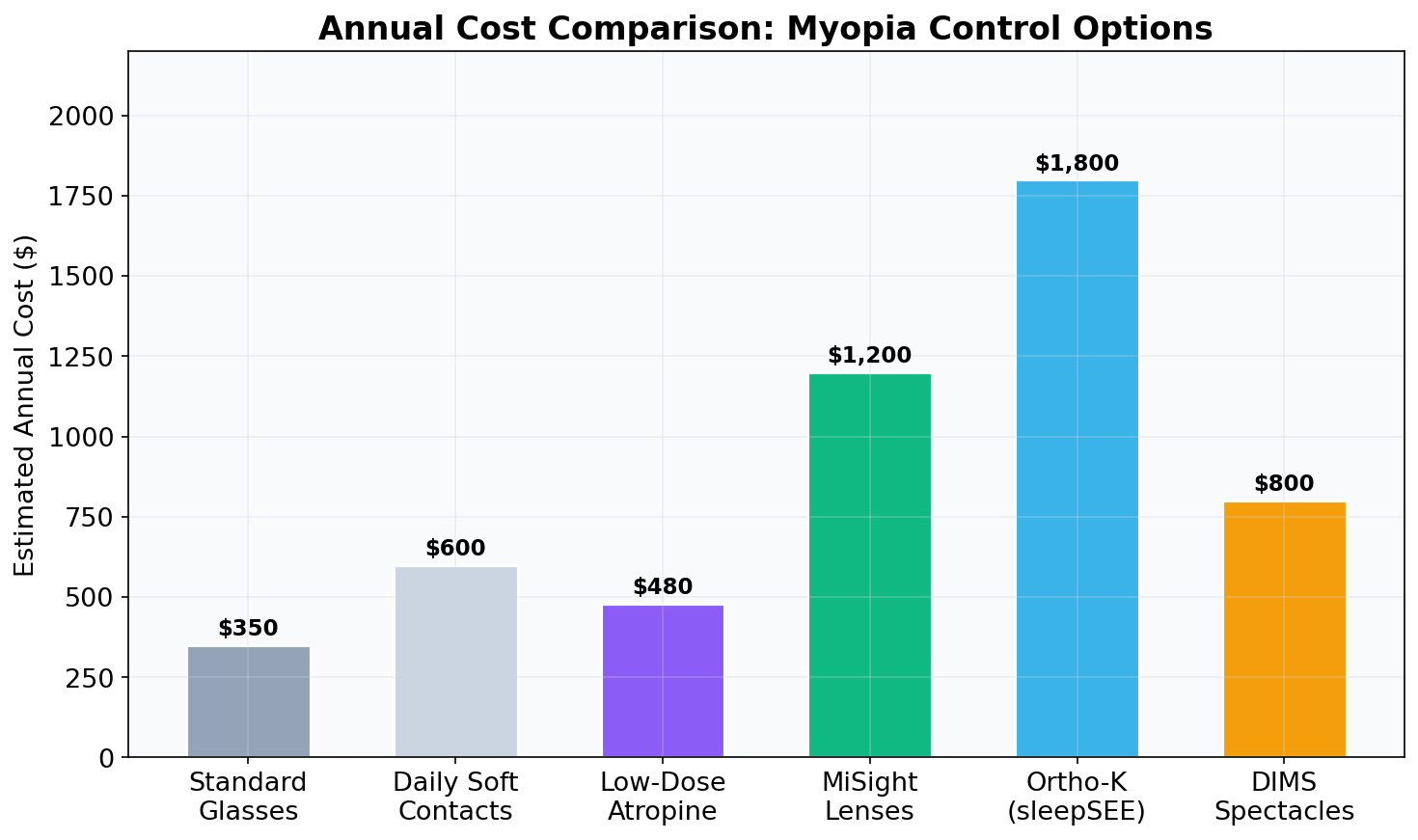
It’s crucial to remember that sleepSEE® myopia control is a specialty service not covered by insurance. This is true whether you have TRICARE, Blue Cross, or another provider. The system just hasn’t caught up to the importance of proactive treatment versus just prescribing stronger glasses. However, we do offer flexible payment options, and you can absolutely use your Health Savings Account (HSA) or Flexible Spending Account (FSA) funds to cover the cost.
Frequently Asked Questions
1. At what age should my child start myopia control? Ideally, as soon as myopia is diagnosed. The earlier we start, the more of their vision we can protect. We are seeing kids in our Fayetteville clinic as young as six starting treatment.
2. Is myopia control safe? Yes. All of these treatments have been extensively studied and are considered safe when managed by a qualified optometrist. With ortho-k and multifocal contacts, proper hygiene is key to preventing infections, and we provide thorough training on that.
3. How long does my child need to be in treatment? Treatment typically continues through the teenage years, until the eye naturally stops growing, usually around the late teens or early twenties.
4. Will my child’s vision be perfect forever after treatment? The goal of myopia control is to slow or stop the progression of nearsightedness, not to reverse it. The vision correction from ortho-k is temporary, and if your child stops treatment, their prescription will likely return to where it would have been without intervention.
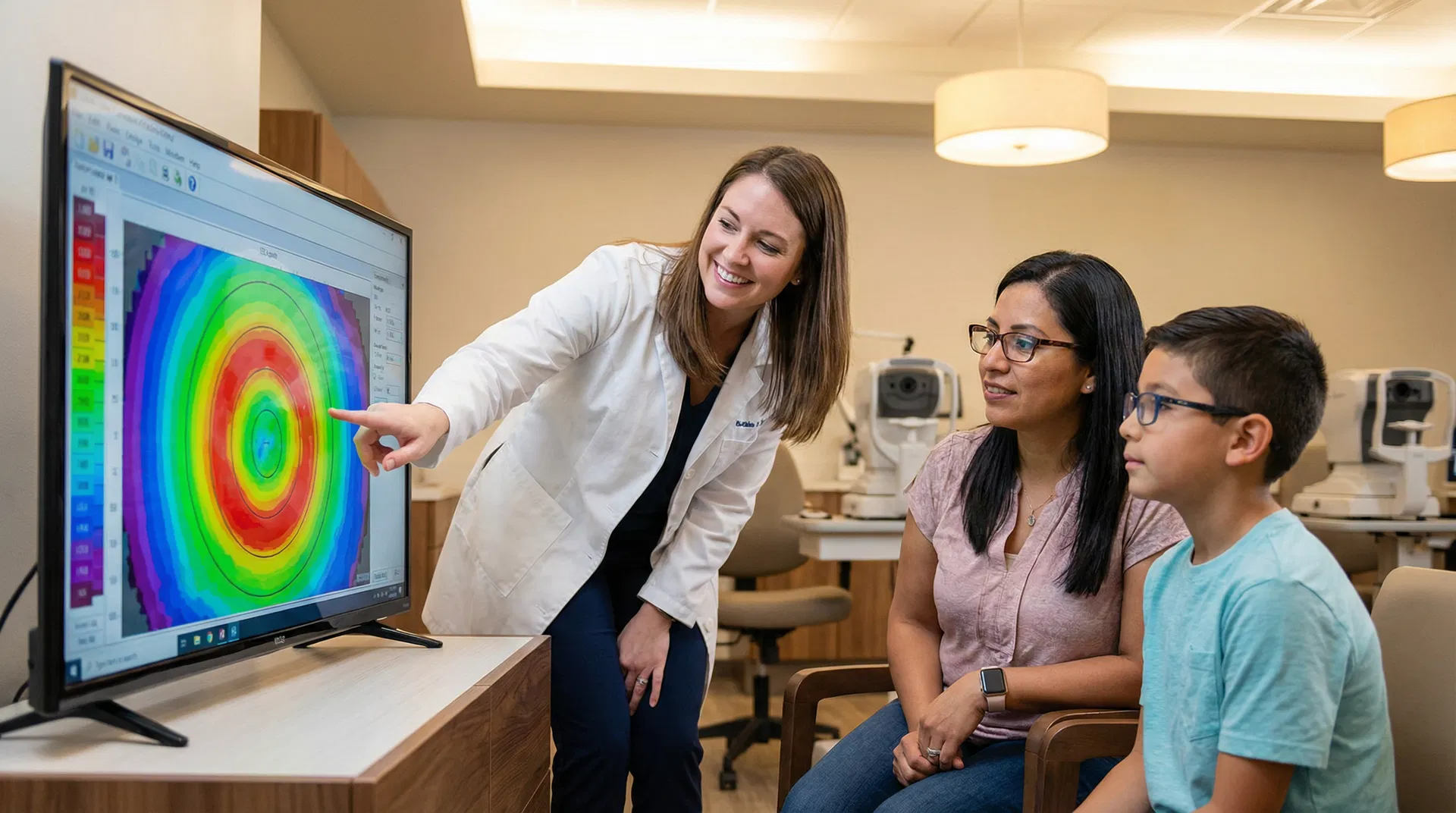
5. What’s the difference between sleepSEE® and other ortho-k lenses? sleepSEE® isn't just a lens, it's our comprehensive program. We use advanced corneal mapping technology to create a lens design that is 100% customized to your child's unique eye shape. This precision leads to better comfort, more effective treatment, and the dedicated, personalized care of our team throughout the entire process.
6. What’s the first step? The first step is a comprehensive myopia consultation. We’ll measure your child’s prescription, the length of their eye, and discuss all these options in the context of your child’s specific needs and your family’s lifestyle.
Your Partner in Your Child's Eye Health
Navigating the world of myopia control can feel overwhelming, but you don’t have to do it alone. The most important takeaway is that you have options beyond just stronger glasses. You can take control of your child’s vision and long-term eye health. If you have more questions, I encourage you to read about the childhood myopia epidemic [blocked] and what it means for our kids. We’re here to help you make the best decision for your family.
Author: Dr. James Singletary, OD, FIAOMC
Last reviewed: February 2026
References:
- American Academy of Ophthalmology (AAO) - Myopia Control in Children
- NCBI - The Role of Outdoor Time in Myopia Control
- Optometry and Vision Science Journal
- JAMA Ophthalmology
Myopia Control Options Compared
How the four leading myopia control treatments stack up for children aged 6–18.
| Feature | Ortho-K (sleepSEE)★ Recommended | Atropine Drops | Multifocal Soft Lenses | Standard Glasses |
|---|---|---|---|---|
| Myopia Progression Slowed | Up to 50% | Up to 77% (0.01%) | Up to 50% | None |
| Daytime Glasses-Free | Yes | No | No | No |
| Minimum Age | 6+ | Any age | 8+ | Any age |
| Worn During | Sleep only | Nightly drops | Daytime | Daytime |
| FDA-Approved | Yes | Yes (off-label) | Yes | Yes |
| Reversible | Yes | Yes | Yes | Yes |
| Avg. Annual Cost | $1,200–$1,800 | $300–$600 | $800–$1,400 | $200–$600 |
| Compliance Difficulty | Low | Medium | Medium | Low |
Cost estimates are approximate and vary by provider and location. Consult a certified ortho-k specialist for personalized recommendations.
Find a sleepSEE Provider Near YouFree Download: Myopia Risk Checklist for Parents
Is your child's vision at risk? Get the 10-point checklist used by ortho-k specialists.
- 10 warning signs myopia is progressing
- Questions to ask your eye doctor
- How to evaluate ortho-k candidacy
- What to expect in the first 30 days
Myopia Risk Checklist
For Parents — Free PDF Guide
Dr. James Singletary, OD, FIAOMC
Dr. James Singletary, OD, FIAOMC is a contributor to the sleepSEE Insights blog, sharing expert knowledge on myopia progression, orthokeratology (Ortho-K) and myopia control.