As an optometrist here in Fayetteville, I’ve had the privilege of helping countless soldiers and their families from Fort Liberty see clearly. I’m Dr. James Singletary, OD, FIAOMC, and my specialty is a revolutionary vision correction method called orthokeratology, or Ortho-K. We call our program sleepSEE®, and it’s a game-changer for anyone who finds glasses and contact lenses to be a hassle—especially our men and women in uniform.
Here's the thing: military life is demanding. You need to be ready for anything, at any time. The last thing you want to worry about is your vision. Whether you’re on a training exercise, deployed overseas, or simply trying to pass your regular vision test, your eyesight is critical. But what happens when your glasses get knocked off, or a grain of sand gets under your contact lens in the middle of a crucial task? It’s more than an inconvenience; it can be a serious liability.
That’s where Ortho-K comes in. It’s a non-surgical solution that allows you to see 20/20 all day long without glasses, contacts, or surgery. Sound too good to be true? Let me explain why that matters for our Fort Liberty soldiers.
Table of Contents
- The Strict Demands of Military Vision
- Why Glasses and Contacts Fail in the Field
- What Exactly is sleepSEE® Ortho-K?
- Ortho-K vs. Other Options for Soldiers
- A Solution Gaining Ground in the Military
- Serving the Fort Liberty Community
- What About TRICARE and Cost?
- Frequently Asked Questions
The Strict Demands of Military Vision
The Department of Defense has exacting vision standards for a reason. Whether you’re a pilot, an infantry soldier, or a logistics specialist, your ability to see clearly is mission-critical. The requirements can be complex, but they generally boil down to having a certain level of visual acuity, both corrected and uncorrected.
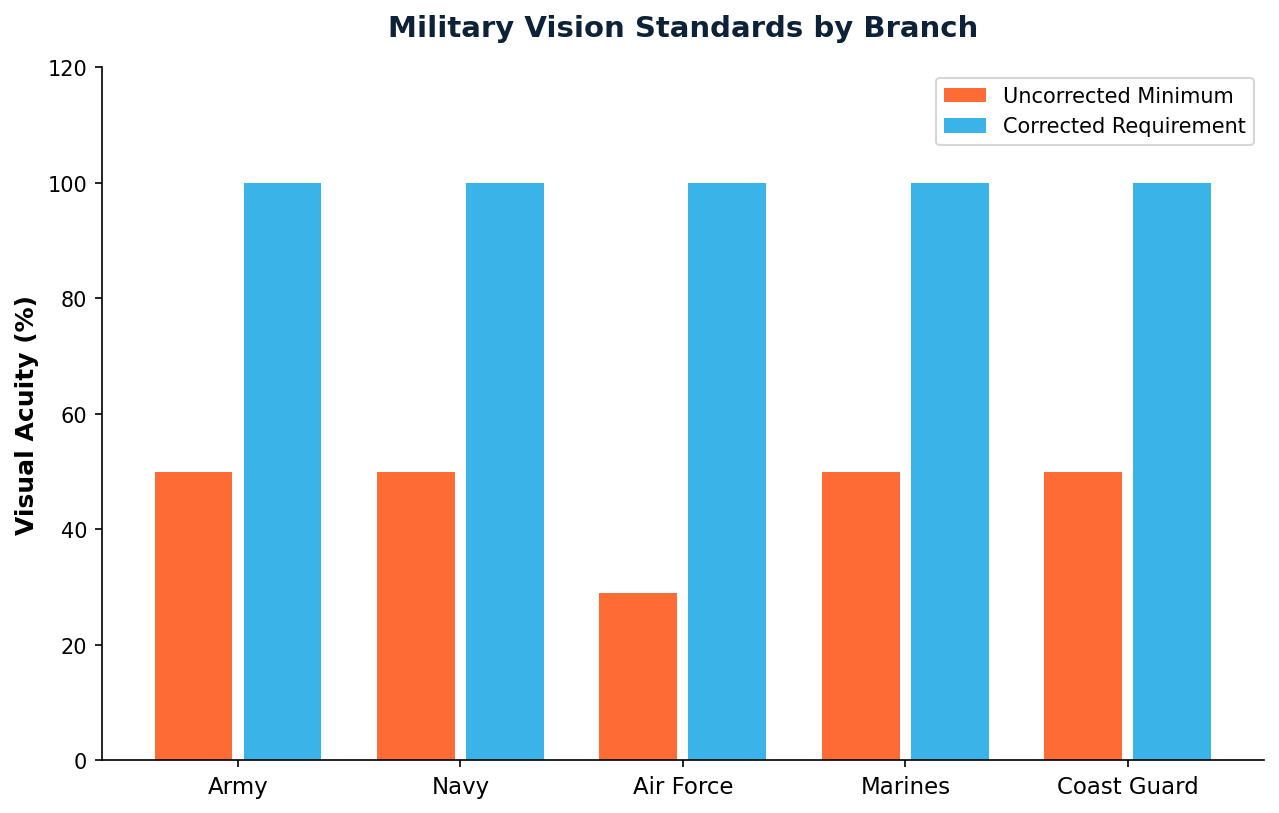
For many roles, you need to have vision that can be corrected to 20/20. For some specialized positions, the uncorrected vision requirements are even stricter. This can be a major hurdle for people who are otherwise perfectly qualified to serve. I’ve seen the disappointment on the faces of young recruits who are worried their eyesight might hold them back. It’s a tough spot to be in.
Why Glasses and Contacts Fail in the Field
If you wear glasses or contacts, you already know they’re not perfect. Now, imagine dealing with them in the rugged conditions of a military deployment. Glasses can get foggy, dirty, or broken. They can slip down your nose when you’re sweating. And the glare from the sun can be a real problem.
Contacts have their own set of issues. Think about trying to handle them in a dusty, sandy environment. The risk of infection is high. And what if you lose one? It’s not like you can just run to the store for a new pair. I had a patient, a young soldier just back from a rotation, who told me he lost a contact lens during a night training exercise. He spent the rest of the night with one blurry eye, trying to keep up with his unit. It was a wake-up call for him.
These aren’t just minor annoyances. In a combat situation, a problem with your vision correction can have serious consequences. That’s why so many soldiers are looking for a better way.
What Exactly is sleepSEE® Ortho-K?
So, what is this Ortho-K I keep talking about? The simplest way to think about it is like a retainer for your eyes. You wear special custom-fitted lenses while you sleep. These lenses gently and safely reshape the front surface of your eye, the cornea. You take them out in the morning, and—voila!—you can see clearly all day long. No glasses, no contacts.
The effect lasts all day and sometimes into the next. You just pop the lenses back in each night to maintain the effect. It’s a process we call Myopia Control, and it’s a fantastic alternative to surgery. If you want to get into the nitty-gritty of how it works, you can read more about it on our How It Works [blocked] page.
Ortho-K vs. Other Options for Soldiers
When it comes to vision correction, you’ve got options. But not all of them are created equal, especially for someone with a military career. Let’s break it down:
| Feature | Glasses | Soft Contacts | LASIK/PRK | sleepSEE® Ortho-K |
|---|---|---|---|---|
| Field Readiness | Poor (fog, breakage) | Fair (dust, infection risk) | Excellent | Excellent |
| Reversibility | N/A | N/A | No | Yes |
| Upfront Cost | Low | Low | High | Medium |
| Good for Changing Prescriptions? | Yes | Yes | No | Yes |
| Dependency | Constant | Daily/Monthly | None | Nightly lenses |
As you can see, Ortho-K offers a unique combination of benefits. You get the freedom from glasses and contacts during the day, just like with LASIK, but without the permanence and risks of surgery. If your prescription changes, or if you decide to stop for any reason, your eyes simply return to their original state. This flexibility is a huge advantage.
A Solution Gaining Ground in the Military
It’s no surprise that Ortho-K is becoming more and more popular within the military community. The Naval Aviation Medical Institute has even studied it for use by pilots. A study published in the journal Military Medicine found that Ortho-K is a “safe and effective option for warfighters” who are not candidates for refractive surgery [1].
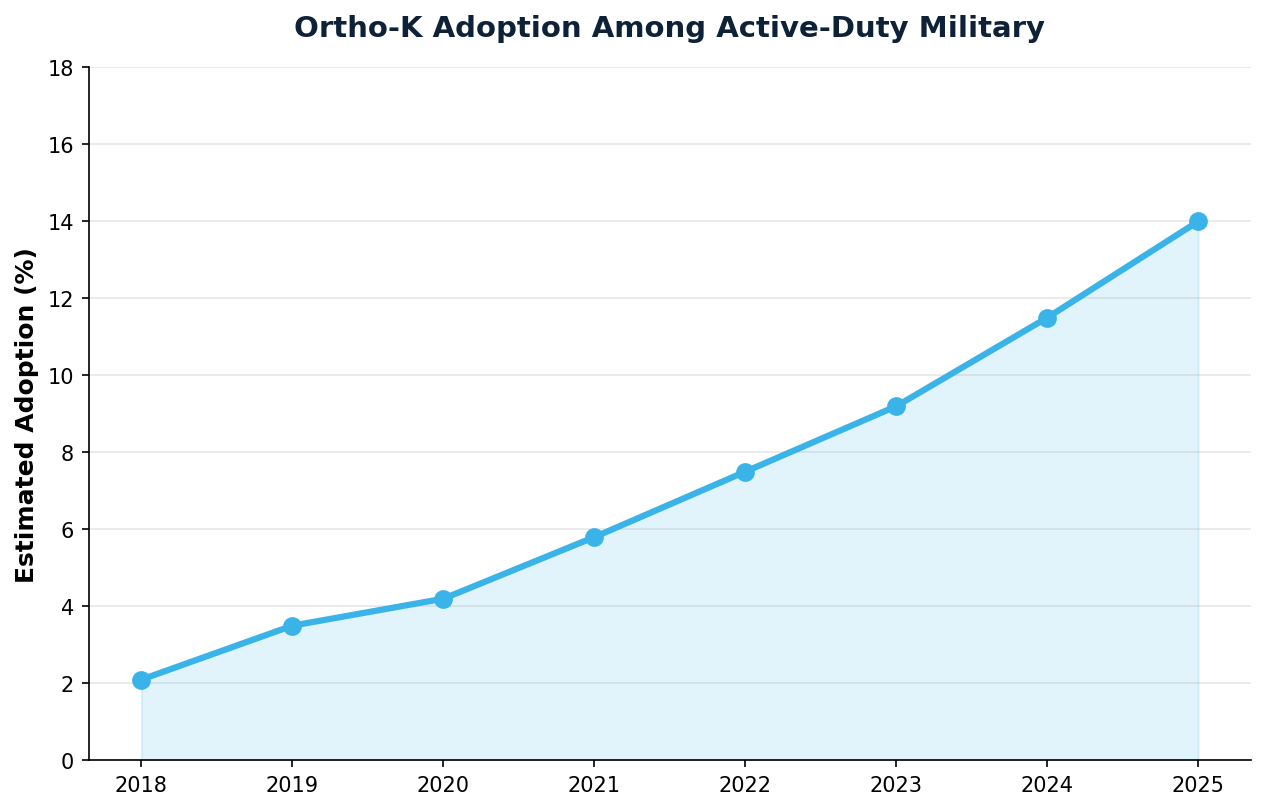
The reason is simple: it works. It gives soldiers the crisp, clear vision they need to perform their duties, without the drawbacks of other methods. It’s a solution that’s as tough and reliable as they are.
Serving the Fort Liberty Community
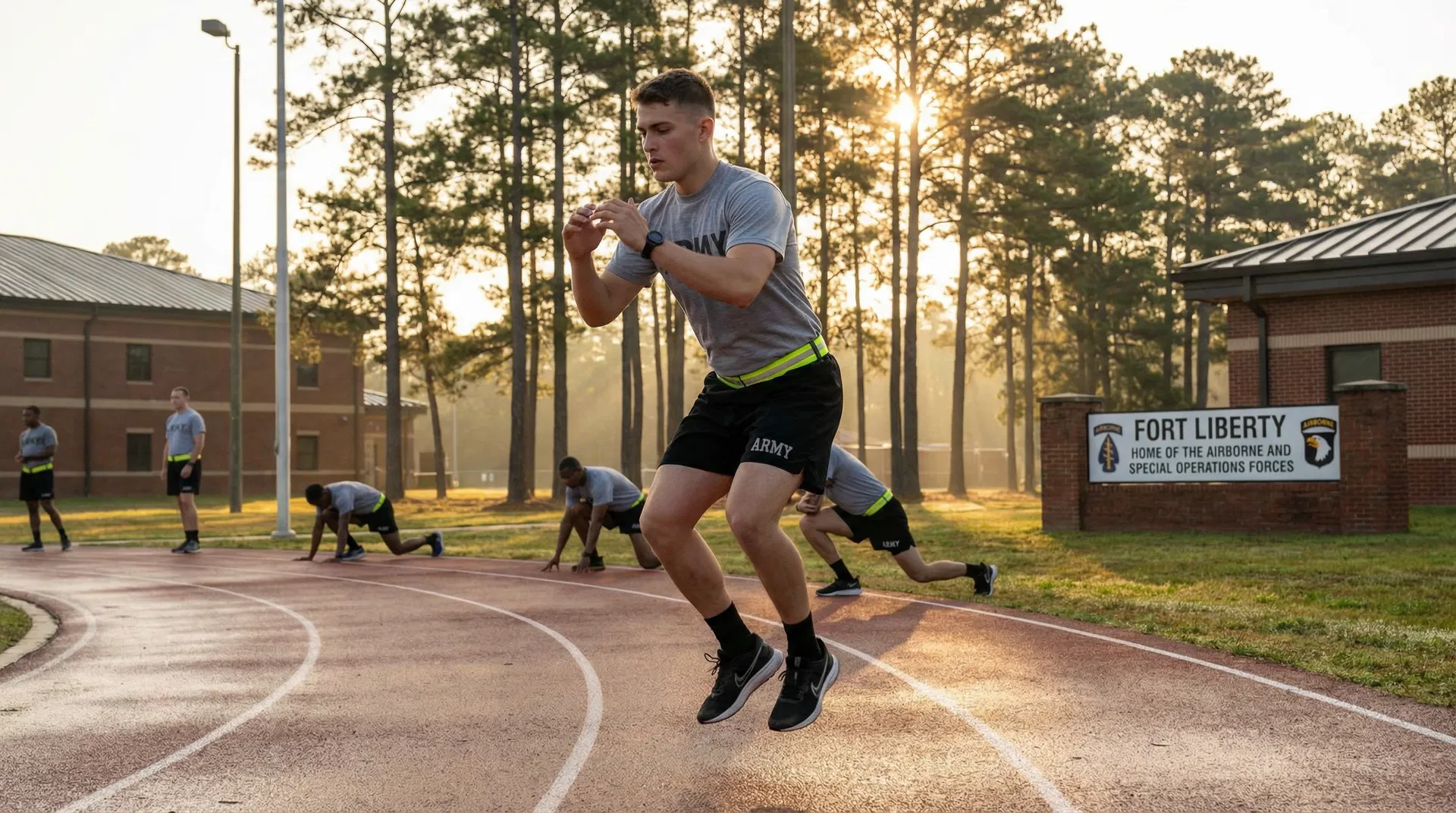
Here in Fayetteville, we’re proud to serve the soldiers and families of Fort Liberty. We understand the unique challenges of military life. The frequent moves, the unpredictable schedules, the stress of deployment—it all takes a toll. The last thing you need is another thing to worry about.
That’s why we’re so passionate about sleepSEE®. It’s a way for us to give back to our community, to provide a solution that makes life just a little bit easier for our service members. We’ve helped soldiers prepare for deployment, pilots meet their vision requirements, and even spouses and kids who are tired of the hassle of glasses. We work with families from all over Cumberland County, and we know the ins and outs of the school system and the specific needs of military kids.

Seeing a patient’s face light up when they realize they can drive, work, and live without being tethered to glasses or contacts is the best part of my job. It’s about more than just vision; it’s about freedom and confidence. If you’re curious about why this is such a game-changer, check out our Why sleepSEE® [blocked] page.
What About TRICARE and Cost?
This is a question I get all the time, so let’s address it head-on. Because it’s a specialty service, sleepSEE® myopia control is not covered by insurance, including TRICARE and Blue Cross NC.
I know that can be a concern, but we’re committed to making this treatment accessible. We offer flexible payment options to fit your budget. You can also use funds from your Health Savings Account (HSA) or Flexible Spending Account (FSA) to pay for the treatment. We’ll work with you to figure out a plan that makes sense for your family.
Frequently Asked Questions
1. Is Ortho-K safe?
Yes. When prescribed and managed by a qualified optometrist, Ortho-K is very safe. The American Academy of Orthokeratology and Myopia Control has extensive resources on the safety and efficacy of the treatment [2]. The materials used are FDA-approved for overnight wear.
2. How long does it take to see results?
Most patients see a significant improvement in their vision after just one night of wearing the lenses. It can take a week or two to reach your full, stable prescription, but the initial results are very fast.
3. What happens if I stop using the lenses?
If you stop wearing your sleepSEE® lenses, your corneas will gradually return to their original shape, and your vision will go back to how it was before you started treatment. It’s completely reversible.
4. Is everyone a candidate for Ortho-K?
Ortho-K works best for people with mild to moderate myopia (nearsightedness), with or without mild astigmatism. The only way to know for sure if you’re a candidate is to come in for a comprehensive eye exam and consultation.
5. Can I use Ortho-K if I have astigmatism?
In many cases, yes. Modern Ortho-K lenses are designed to correct for astigmatism. We can determine if your level of astigmatism is treatable during your consultation.
6. What's the first step to get started?
Just give our Fayetteville office a call to schedule a sleepSEE® consultation. We’ll sit down, answer all your questions, and see if Ortho-K is the right choice for you.
For our soldiers at Fort Liberty, clear vision isn’t a luxury; it’s a necessity. If you’re tired of the endless cycle of glasses and contacts, if you want the freedom of clear, natural vision from the moment you wake up, then it’s time to look into sleepSEE®. It’s a modern solution for the modern soldier, and it might just be the best decision you ever make for your eyes.
References
- Legerton, J. A. (2007). The Warfighter Refractive Eye Surgery Program: A Look at a Decade of Success. Military Medicine, 172(11), 1139-1143.
- American Academy of Orthokeratology and Myopia Control. (n.d.). Is Ortho-K Safe? Retrieved from https://www.aaomc.org/is-ortho-k-safe
- Mitsui, I. (2005). Visual analysis of orthokeratology on myopia reduction for aviators. Ophthalmic Technologies XV, 5688, 56880W. https://doi.org/10.1117/12.591452
Last reviewed: February 2026
Free Download: Is Ortho-K Right for Me?
A self-assessment guide used by candidates evaluating ortho-k vs. LASIK vs. contacts.
- Candidacy criteria (prescription range, corneal shape)
- Ortho-K vs. LASIK vs. daily contacts comparison
- 5-year cost breakdown
- Questions to ask your provider
Is Ortho-K Right for Me?
For Adults — Free Self-Assessment
sleepSEE Clinical Team
The sleepSEE Clinical Team is a group of licensed eye care professionals dedicated to evidence-based education on myopia control, orthokeratology, and nonsurgical vision correction.