So, you’ve decided to take the plunge and try sleepSEE® Ortho-K lenses. Fantastic! As an optometrist here in Fayetteville who’s been fitting these for years, I can tell you you’ve made a great choice for clear vision without the daytime hassle of glasses or contacts. I’ve seen it change the lives of so many of my patients, from busy parents to soldiers at Fort Liberty who need crisp vision without relying on eyewear in the field.
But let's be real. The first week is a bit of a journey. It’s new, it’s different, and you’re probably wondering what’s in store. Here’s the thing: it’s totally normal to feel a little anxious. That’s why I put together this day-by-day guide. Think of it as me, Dr. Singletary, walking you through it personally. We’re going to cover everything from handling the lenses to what your vision will feel like each morning.
Table of Contents
- Day 1: The First Night - Let the Magic Begin
- Day 2: The Big Reveal
- Days 3-4: Finding Your Groove
- Days 5-7: The New Normal
- Your First Week at a Glance
- Frequently Asked Questions
Day 1: The First Night - Let the Magic Begin
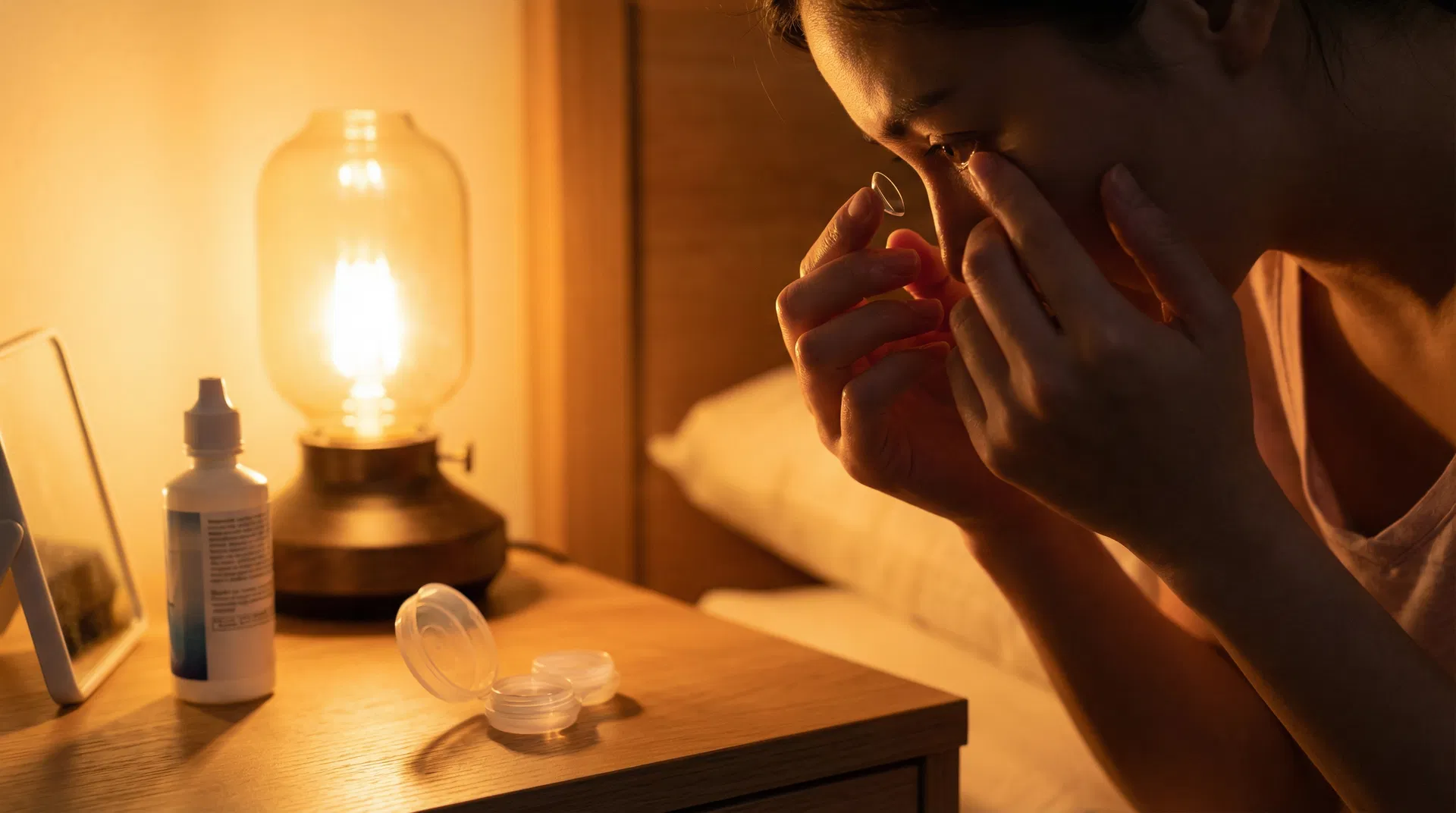
Alright, it’s go-time. You’ve had your fitting appointment at my office, and you’re home with your new sleepSEE® lenses. Tonight’s the night. Your main job is to get those little guys in your eyes before you hit the pillow.
Now, I know what you might be thinking. Putting something in your eye? It sounds weird. But I promise, after a few tries, it’ll become second nature. We went over it in the office, but here’s a refresher: wash your hands, use the little tool (or your finger, whatever you prefer), and gently place the lens on your eye. It might feel a little strange at first—a sensation of "awareness" is the best way to describe it. It’s not painful, but you’ll know it’s there. That feeling will fade quickly, especially once you close your eyes.
Don’t be surprised if it takes you a few attempts to get them in. It’s a new skill! Once they’re in, that’s it. Time for bed. The lenses will get to work gently reshaping your cornea while you sleep. Pretty cool, right?
Day 2: The Big Reveal
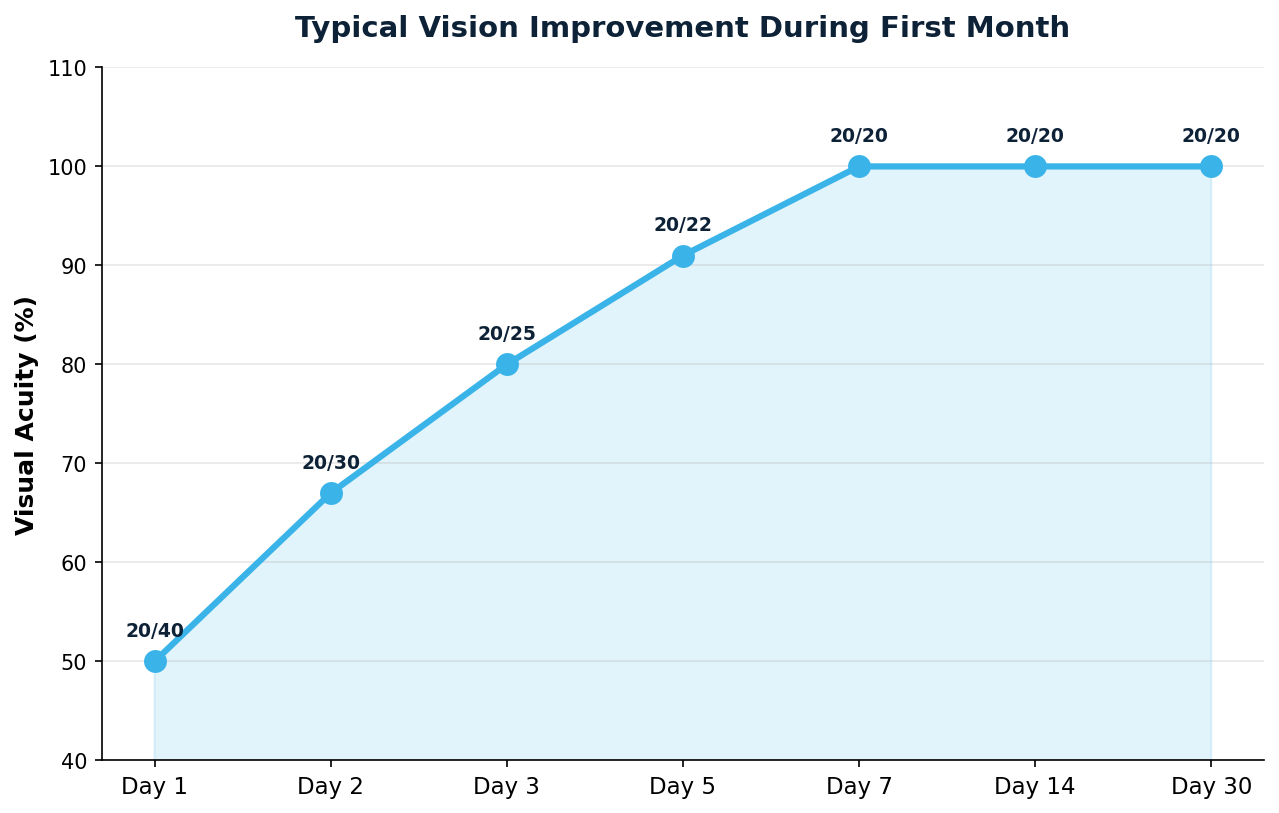
Good morning! The first thing you’ll want to do is… well, see! When you wake up, you’ll likely notice a significant improvement in your vision. We’re talking about a "wow" moment for most people. It probably won’t be a perfect 20/20 just yet, but the change is usually dramatic. You might see halos or some glare, especially around lights. This is completely normal and part of the process.
Now, for removal. Use the tool we gave you to gently take the lenses out. Your eyes might feel a little dry, so some rewetting drops can help. Once they’re out, you’re free! No glasses, no contacts. You can just go about your day. It’s a pretty liberating feeling.
How much will your vision improve? Most of my patients get about 50-70% of their correction on the very first night. It’s a huge jump.
Days 3-4: Finding Your Groove
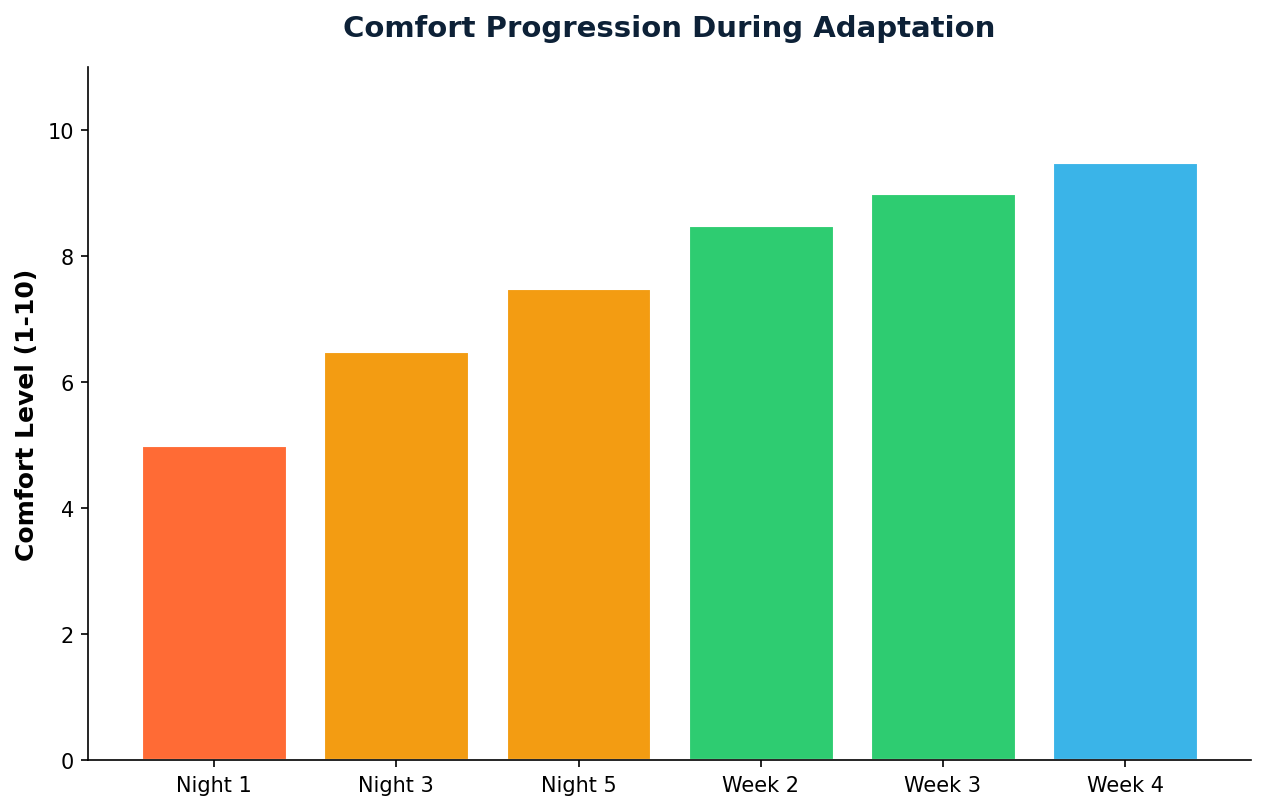
By now, you’re getting the hang of inserting and removing your lenses. It’s getting easier, faster. The initial "awareness" of the lenses when you put them in is probably lessening, too. Your eyes are adapting.
Your vision will continue to improve each day. The halos and glare you might have noticed on day two should start to diminish. Your sight will feel more stable throughout the day. You might notice your vision is sharpest in the morning and fades just a little by the evening. This is also normal as your cornea is still adjusting to its new shape.
This is when the reality of Ortho-K really starts to sink in. You’re waking up, seeing clearly, and not thinking about your vision for the rest of the day. Imagine going for a hike with your family without your glasses fogging up or sliding down your nose.

Days 5-7: The New Normal
Welcome to the end of your first week! By this point, most of my patients have reached their full correction, or are very close to it. We’re talking crisp, clear 20/20 vision from the moment you wake up until you go to bed. The initial side effects like halos should be mostly gone.
The lenses should feel much more comfortable upon insertion. You’ve developed a routine, and it’s no longer a big deal. It’s just part of your nightly ritual, like brushing your teeth. This is the freedom you signed up for. This is what why sleepSEE® [blocked] is all about.
Of course, everyone’s journey is a little different. That’s why we have follow-up appointments, to make sure everything is progressing as it should. If you’re having any significant discomfort or your vision isn’t clearing up, you should always call my office. We’re here to help.
Your First Week at a Glance
| Day | Vision Expectation | Comfort & Handling |
|---|---|---|
| Day 1 | Blurry (before lenses) | Lens awareness is common; insertion can be tricky. |
| Day 2 | 50-70% corrected; possible halos/glare. | Eyes may feel dry; removal takes practice. |
| Day 3-4 | Vision getting sharper and more stable. | Comfort improves; handling becomes routine. |
| Day 5-7 | Near or at full 20/20 correction; minimal side effects. | Lenses feel comfortable; insertion/removal is easy. |
Frequently Asked Questions
1. Is it safe to sleep with lenses in my eyes? Yes, absolutely. Ortho-K lenses are made from a highly oxygen-permeable material specifically designed for overnight wear, as approved by the FDA. [1]
2. What happens if I miss a night? Your vision will start to slowly revert to your original prescription. One night might not make a huge difference, but you’ll notice your vision isn’t as sharp. That’s why consistency is key, especially in the beginning.
3. Does insurance cover sleepSEE®? sleepSEE® myopia control is a specialty service not covered by insurance. This includes plans like TRICARE and Blue Cross NC. However, we offer flexible payment options, and you can use your HSA/FSA funds to pay for the treatment.
4. Can I see with the lenses in? Yes, you can see perfectly well with the lenses in. So if you need to get up in the middle of the night, you’ll be able to see.
5. How long does it take to get used to Ortho-K? Most people adapt within the first week. The vision correction is rapid, and the initial lens awareness fades quickly. You can learn more about the process at how it works [blocked].
6. When should I call your office? If you experience any sharp pain, significant redness, or your vision seems to be getting worse instead of better, give us a call immediately. We want to hear from you.
Ortho-K is a journey, and the first week is the most eventful part. But the freedom it provides is more than worth it. I’ve seen it time and time again with my patients here in Cumberland County. They love the freedom from daytime glasses and contacts.
If you have any more questions, my team and I are always here to help. We’re excited to be on this journey with you!
References
- American Academy of Ophthalmology. (2023). Orthokeratology (Ortho-K): A Guide for Patients. https://www.aao.org/eye-health/treatments/orthokeratology-ortho-k
- Lipson, M. J., & Boland, M. V. (2018). Orthokeratology. In Contact Lenses in Ophthalmic Practice (pp. 131-141). Springer, Cham.
- Bullimore, M. A., & Johnson, L. A. (2020). The new age of myopia control. Eye & Contact Lens, 46(5), 247-253.
Last reviewed: February 2026
Free Download: Is Ortho-K Right for Me?
A self-assessment guide used by candidates evaluating ortho-k vs. LASIK vs. contacts.
- Candidacy criteria (prescription range, corneal shape)
- Ortho-K vs. LASIK vs. daily contacts comparison
- 5-year cost breakdown
- Questions to ask your provider
Is Ortho-K Right for Me?
For Adults — Free Self-Assessment
sleepSEE Clinical Team
The sleepSEE Medical Advisory Board is a team of licensed optometrists and vision science specialists dedicated to providing evidence-based education on myopia control, orthokeratology, and nonsurgical vision correction.